

 EN
EN
 JA
JA ZH
ZH





 All New Pipes




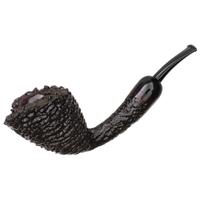
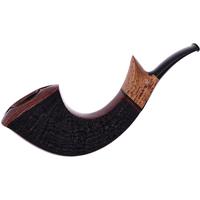
Sandblasted Horn with Malachite Cabochon (1523) Tobacco Pipe
Product Number: 002-811-0133
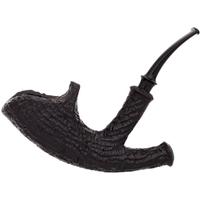
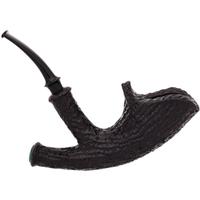
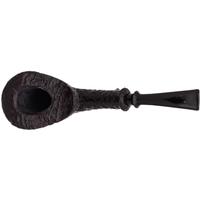

Measurements & Other Details
- Length: 5.61 in./142.49 mm.
- Weight: 2.08 oz./58.97 g.
- Bowl Height: 3.48 in./88.39 mm.
- Chamber Depth: 2.08 in./52.83 mm.
- Chamber Diameter: 0.69 in./17.53 mm.
- Outside Diameter: 1.62 in./41.15 mm.
- Stem Material: Vulcanite
- Filter: None
- Shape: Horn
- Finish: Sandblast
- Material: Briar
- Country: Poland
About This Pipe
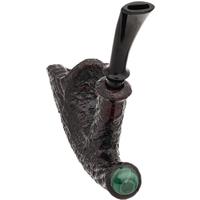
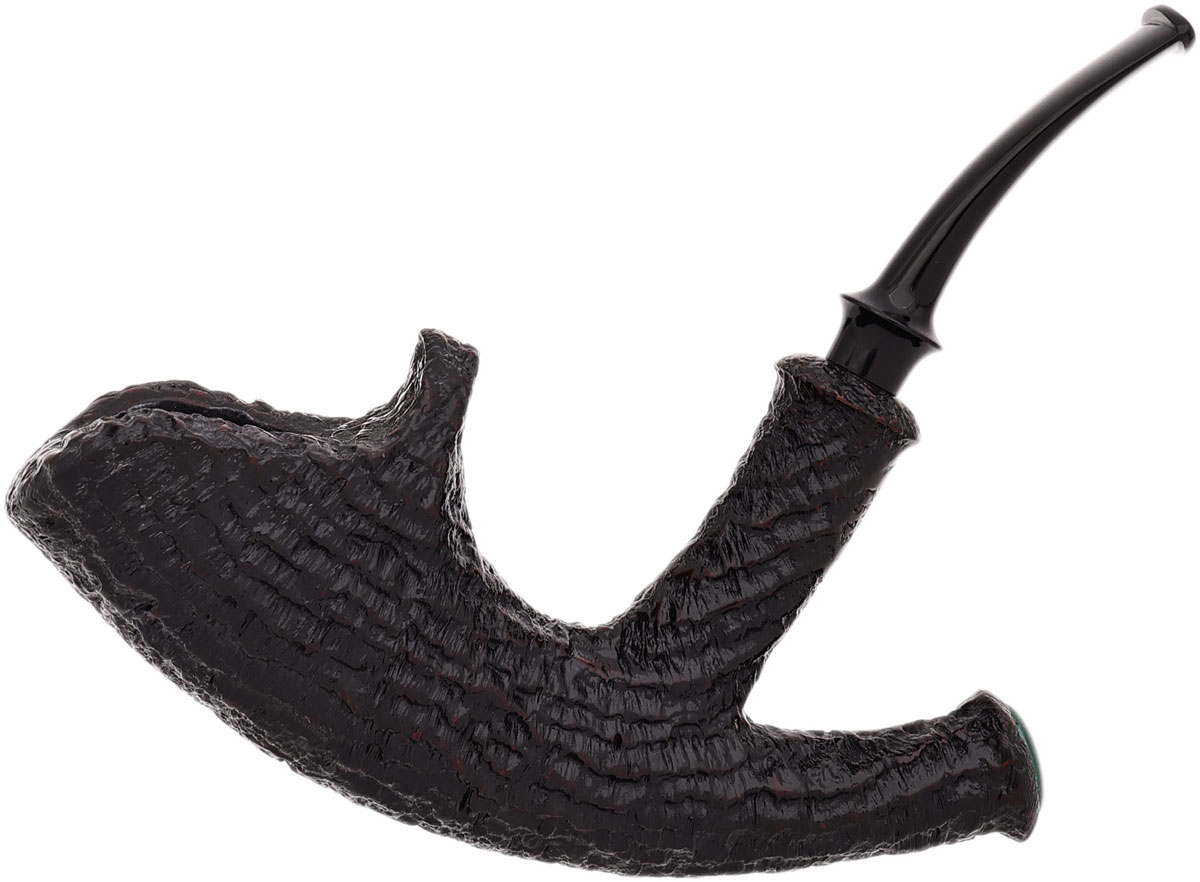
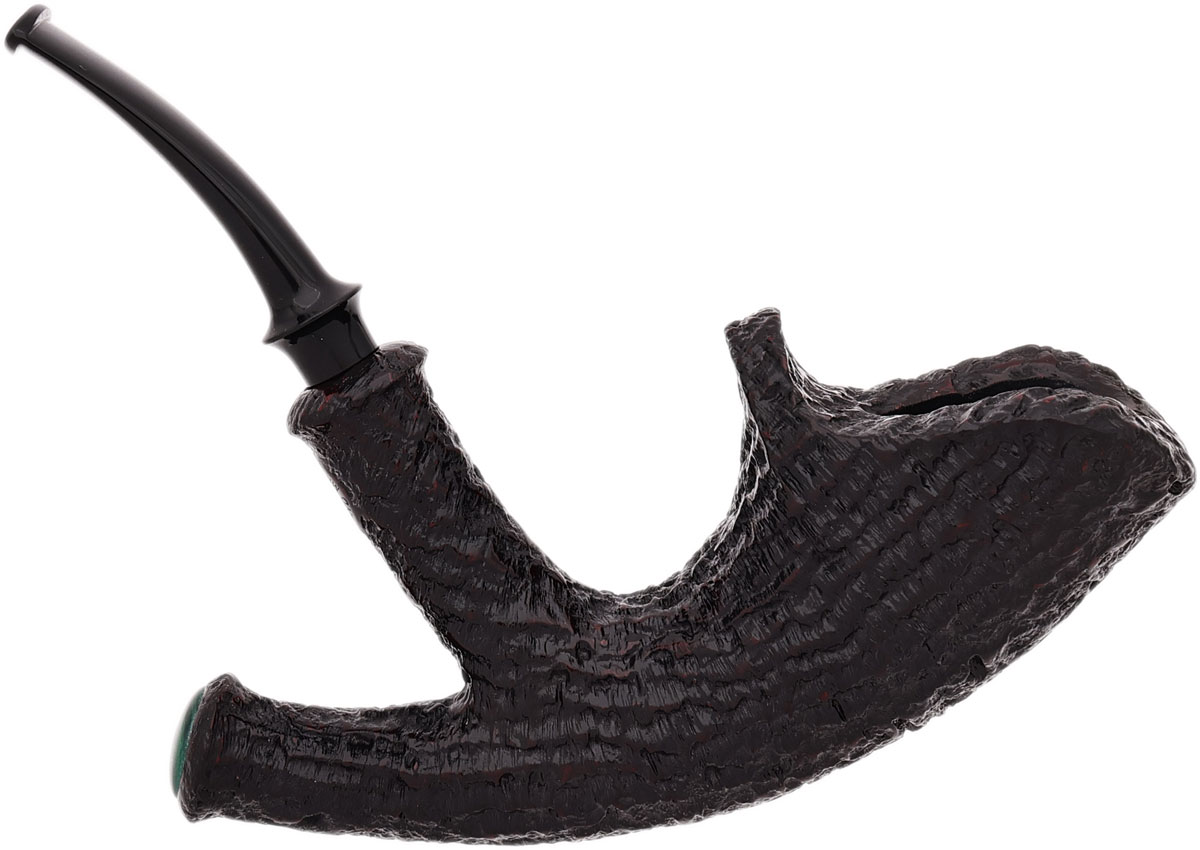
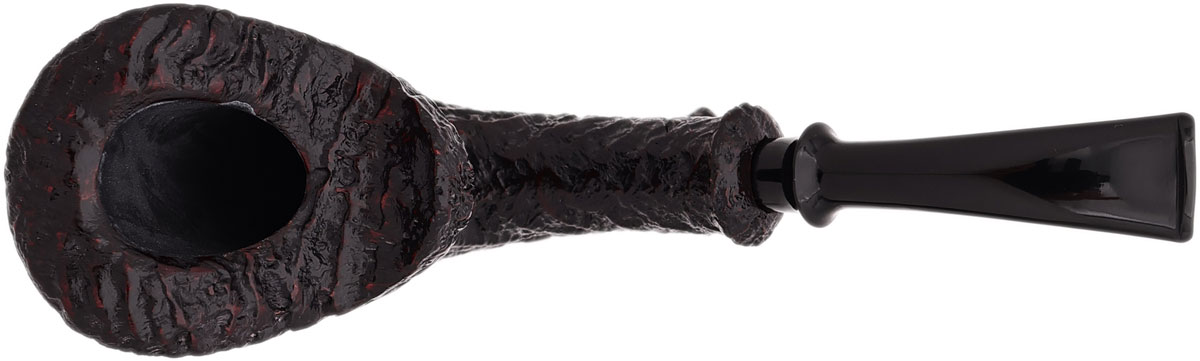
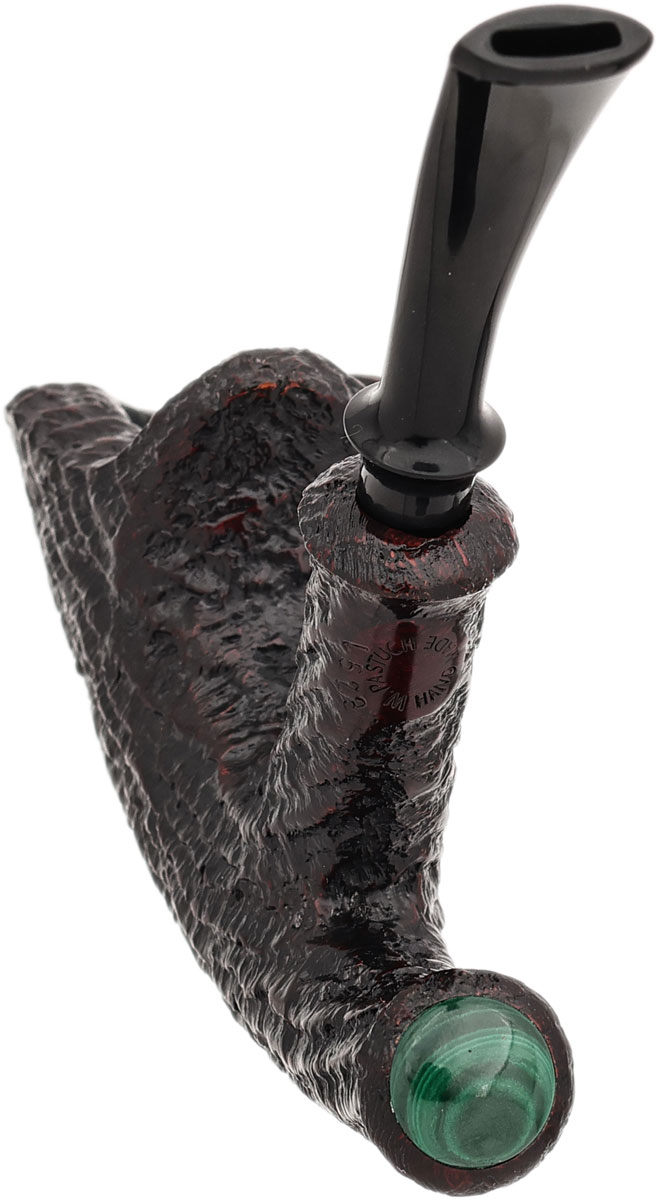
Polish artisan Wojtek Pastuch takes inspiration from pipe-making schools the world over, though his key stylistic influences seem rooted in the Japanese and Danish traditions. Pastuch's pipes are most often understated, or tinged with his unique outlook on shaping in subtle ways, as his portfolio showcases a profound respect for and admiration of the timeless chart standards. However, when Pastuch does decide to make a sculptural pipe, he does not hold back, fashioning some of the most remarkably contemporary and forward-thinking shapes I've ever seen. This captivating take on the Horn is no exception. In fact, in recent memory, it doesn't seem as if we've ever seen a take on the the shape that's looked much at all like this arresting vision in briar. The most prominent of this piece's avant-garde features is the shank, relocated from its common position at the bowl's opposing pole, extending instead from the middle of the more classically "horn" shaped portion of the stummel. Such a shift fundamentally alters the shape's silhouette and boldly defies the commonly-held standards that often define the modern chart standard. Here, the outline is more reminiscent of an exaggerated pickaxe (the tool), or perhaps a scythe-like hammer, or, maybe more appropriately given the provenance of the shape's name, an antler. The shank itself rises with a slight curve, looking trim against a comparatively hearty bowl, and cinches gingerly at the middle before expanding into a dome rounded by a firm ridgeline. This dome acts as the junction to a sleek saddle stem with its own firm edge at the base, these hard lines creating some negative space to naturally pull the eye. Reaching upward from out of the shank, the stem makes a subtle curve to the button, contributing an impressive amount of verticality to the composition and creating a natural arc toward the smoker.
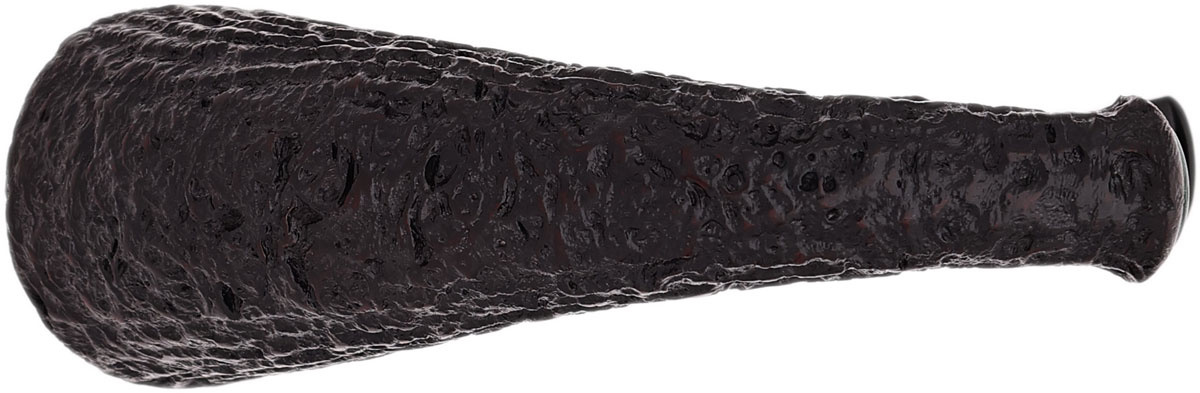
The rest of the stummel is primarily the bowl, though this bowl includes an extension through the aft side to keep some of the shaping more in line with the Horn's more oft-seen iterations. Taken as its own section of the pipe, this portion displays a gradual diminution from the rim to the terminus of the pseudo-shank, with a curving, conical build that introduces a remarkable liveliness to the piece as a whole: something that's only magnified by the true shank and stem's subtle, high-reaching curve. This tapering extension from the bowl hides one of this pipe's most eye-catching elements; a sharp flare out at the very end of its length inlaid with a cabochon made of malachite. Carved and cut by Pastuch himself, this unfaceted gem not only introduces an impressive amount of color contrast to the composition, with wavering bands of brilliant green, but underscores Pastuch's skill in yet another craft that he's now chosen to enhance his pipe making with. Approaching the bowl, the briar grows broader, maintaining a steady deflection to the rim at the underside as the top instead lifts sharply to greet it. This sharp upturn creates something of a lip, with a solid section of briar that's internally sloped into the chamber and rim proper; the hard lines present here making a structural contrast against the rim's subtly inflated surface. Truly a remarkable shape, this pipe is made all the more alluring by way of one of Pastuch's impressively craggy sandblasts, stained a deep, inky tone that matches the stem's midnight vulcanite and allows the malachite at the far aft to stand out readily.
-John McElhenySimilar Pipes
Recently Viewed