

 EN
EN
 JA
JA ZH
ZH





 All New Pipes



















Ask a question about this product.
Measurements & Other Details
- Length: 3.87 in./98.30 mm.
- Weight: 1.82 oz./51.71 g.
- Bowl Height: 2.05 in./52.07 mm.
- Chamber Depth: 1.29 in./32.77 mm.
- Chamber Diameter: 0.64 in./16.26 mm.
- Outside Diameter: 1.48 in./37.59 mm.
- Stem Material: Vulcanite
- Filter: None
- Shape: Blowfish
- Finish: Sandblast
- Material: Briar
- Country: United States
About This Pipe
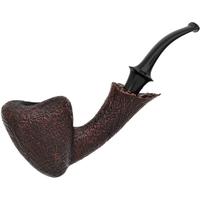
David Huber has been obsessed with the art of pipe making since buying his first pipe in 2006, spending the proceeding years collecting even more pieces and studying various design schools, with a focus on the Japanese and Danish aesthetic. During this period, Huber worked as a freelance designer for live theater productions, and ordered his first blocks of briar in 2010, carving the shapes and holes entirely by hand, spending two entire years refining them before they were finally finished. By the end, he was dedicated to the craft. In 2014 he began to carve pipes full time, his progress furthered by tutelage from artisans such as Jeff Gracik, Tom Eltang, and Nanna Ivarsson.
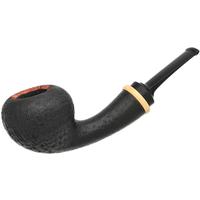
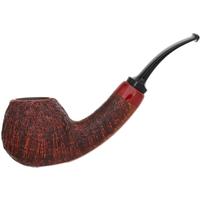
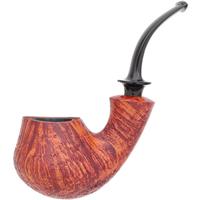
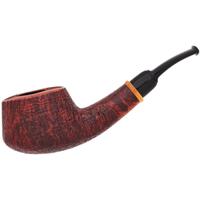
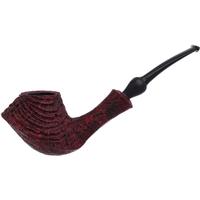
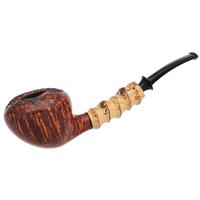
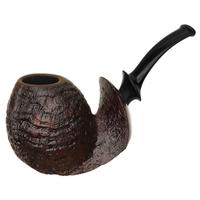
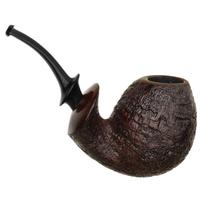
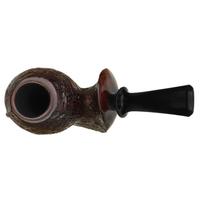
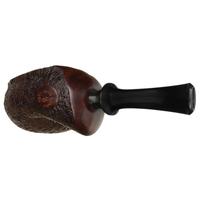
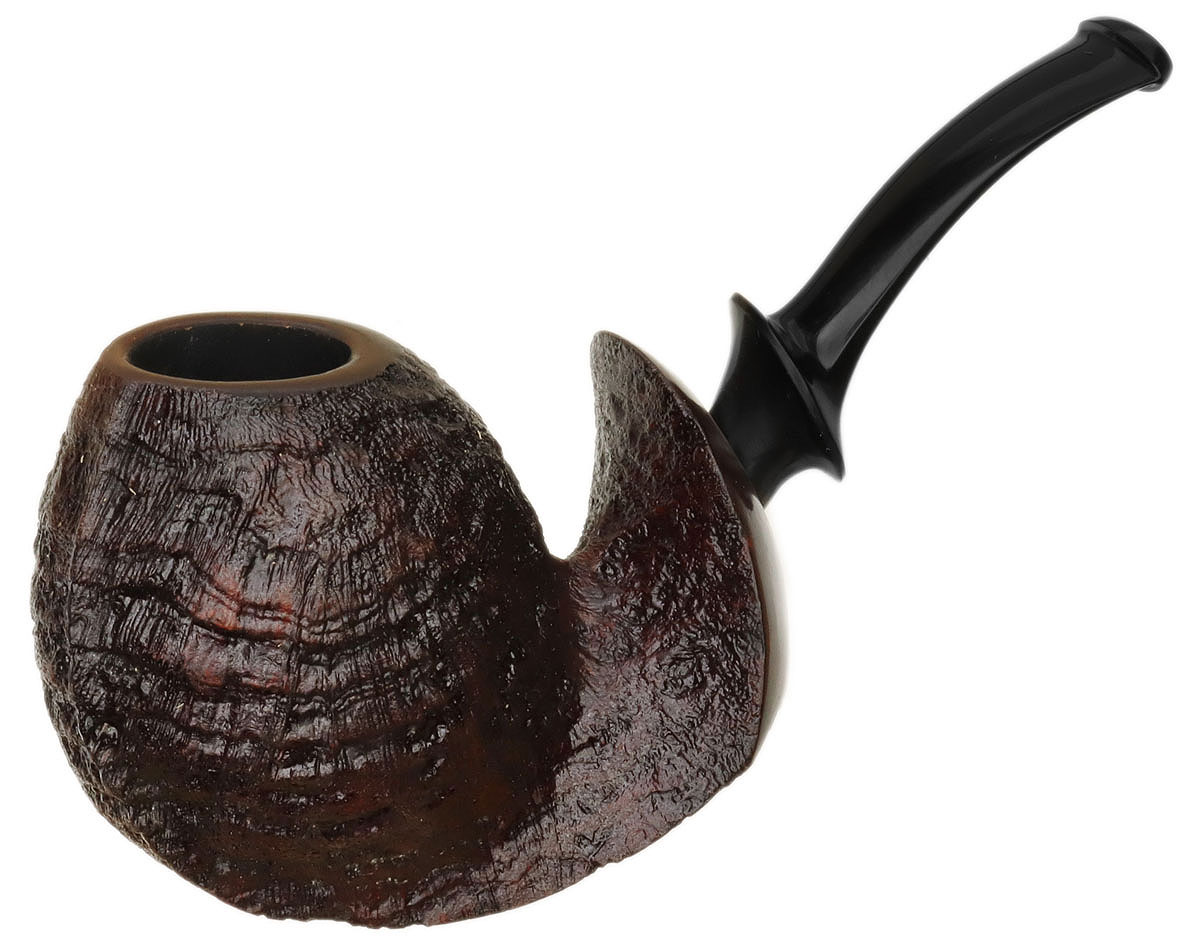
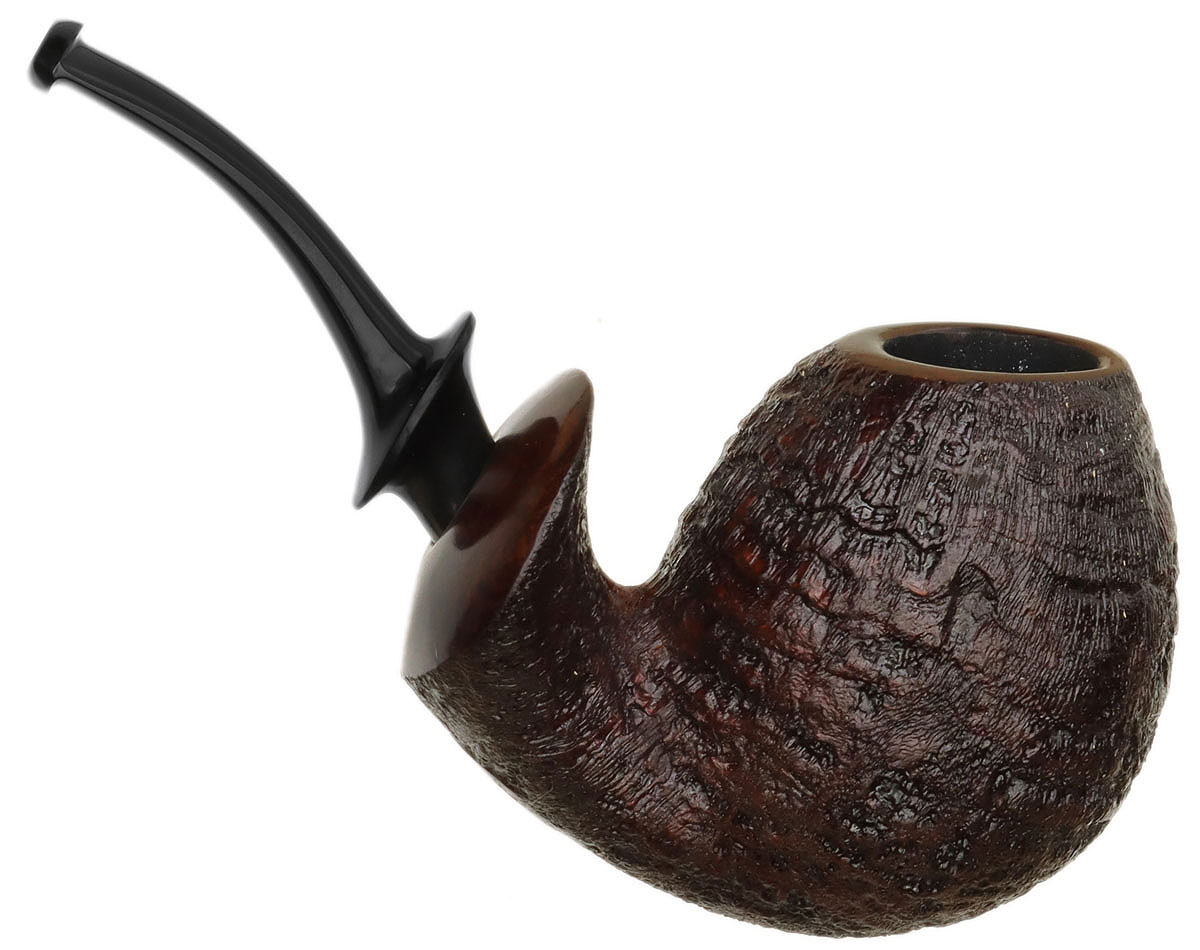
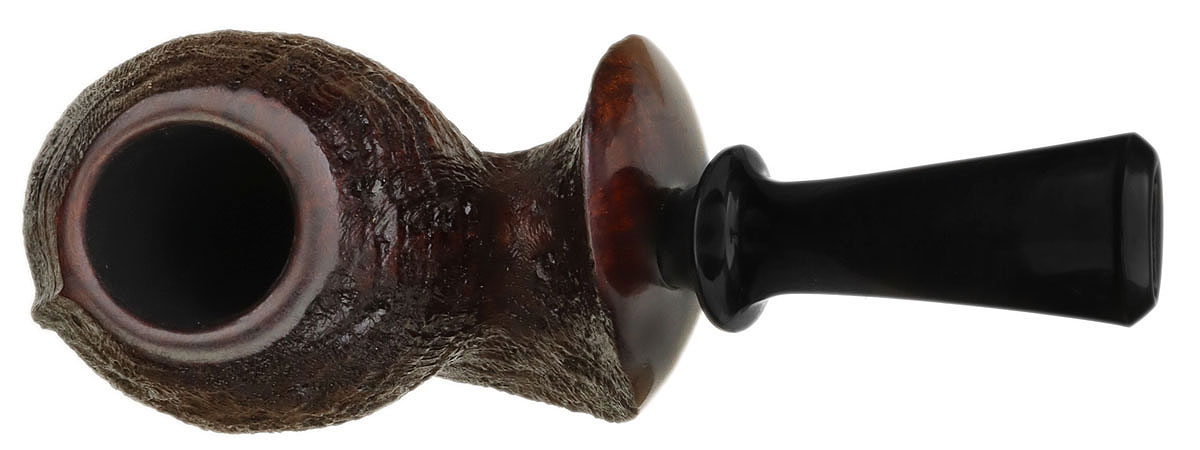
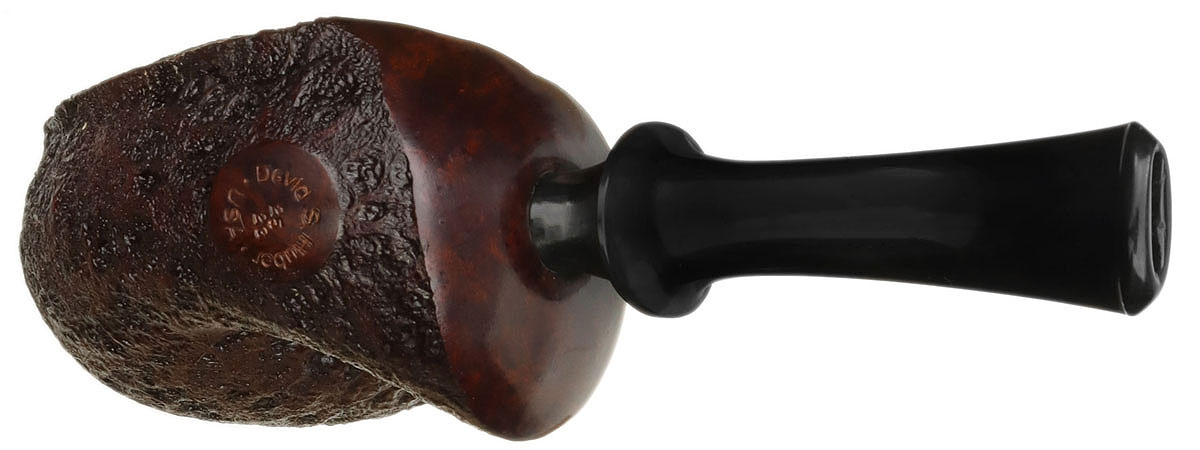
It's very seldom that David Huber crafts Fish renditions outside of the Blowfish, making this piece a rather rare offering from the American artisan, and it's one which embodies a tightly-knit muscularity and strikingly active outline. Said outline presents with a sweeping curvature throughout this pipe, with the stem itself a smartly downturned saddle of jet-black vulcanite whose base is accented with an angular expansion ring. The stem sits, nestled into a domed shank face which is here possessed of a curling ridgeline through its right flank, framing that side of the stummel as the ridge meets itself on the left: creating the iconic teardrop shape which the Fish is known for. The shank itself lifts out of an extremely tight transition and flares dramatically toward its face, with the pointed left flank marking the start of a steeply flowing ridgeline that plunges through the heel and lifts triumphantly at the fore of the bowl. A rounded heel supports the bowl here, sitting below a broad waistline which marks an arcing taper to the rim, the rim itself being slightly rounded and marked with a bit of pointed shaping where the ridgeline at the fore terminates. Dressing the stummel here is a crisp, darkly-stained sandblast that reveals a rippling pattern of undulating growth rings, the rim and shank face kept smooth to offer some textural contrast.
-John McElheny