

 EN
EN
 JA
JA ZH
ZH





 All New Pipes



















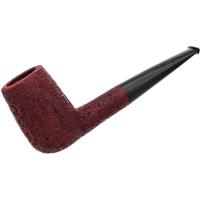
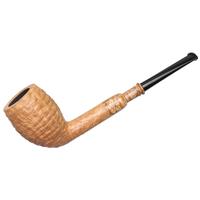
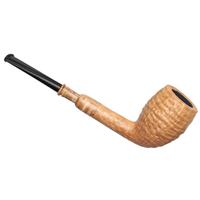
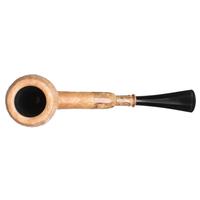
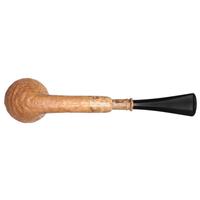
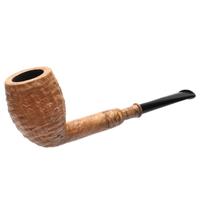
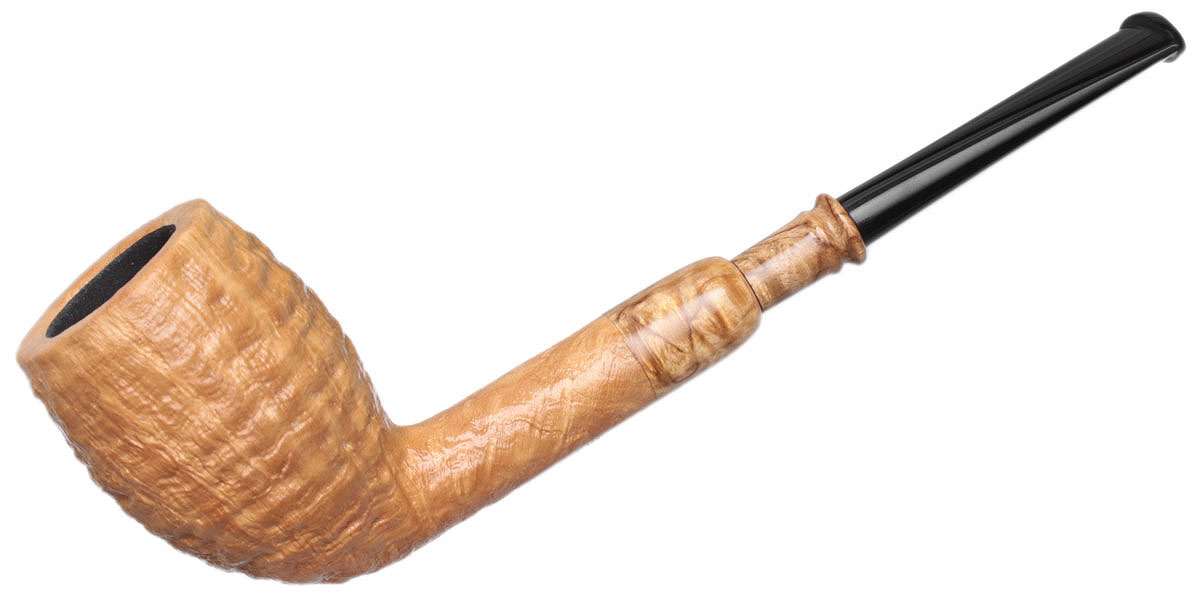
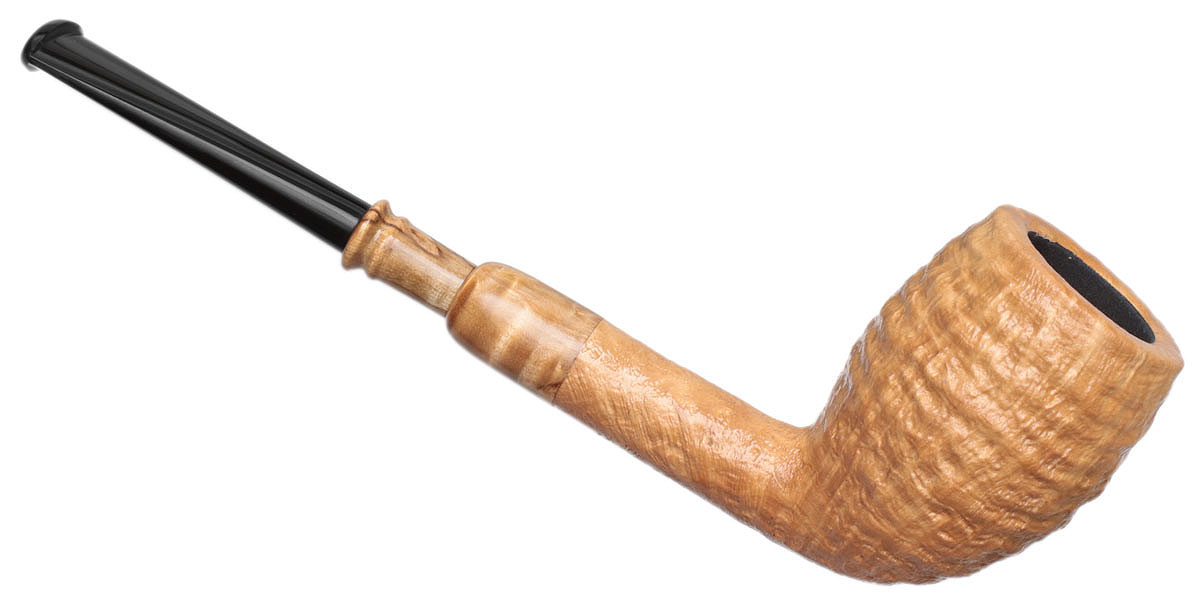
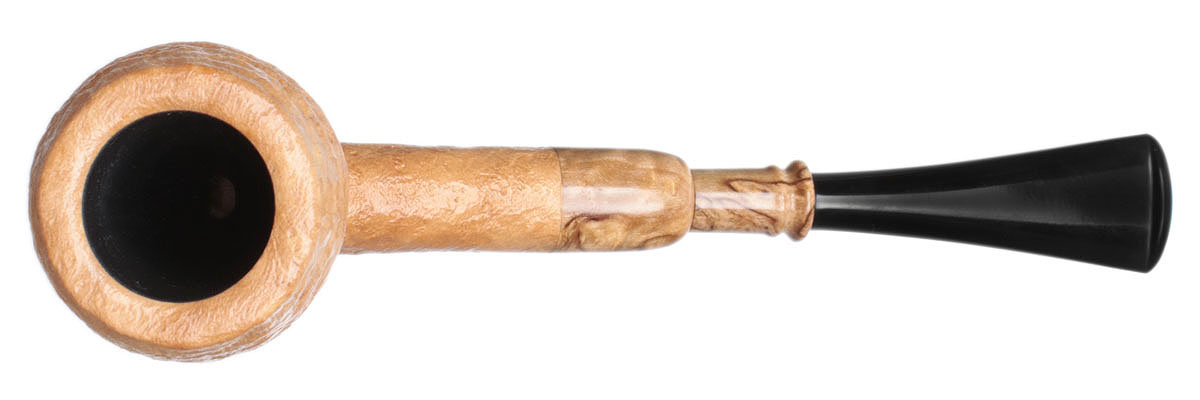
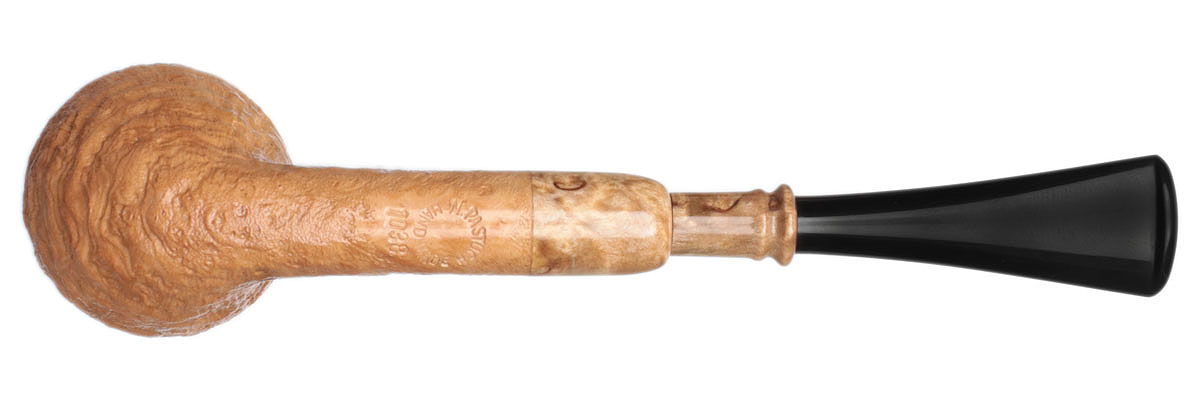
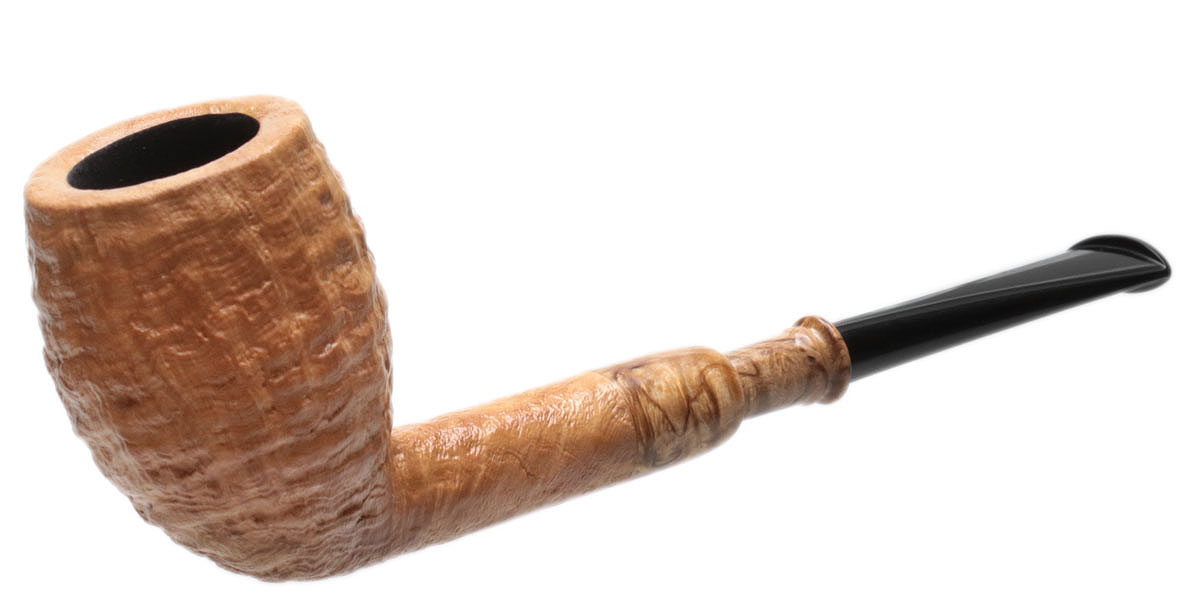
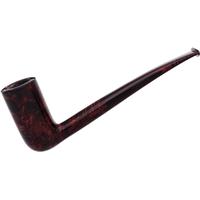
Sandblasted Natural Belge with Curly Birch (1038) Tobacco Pipe
Product Number: 002-811-0074

Ask a question about this product.
Measurements & Other Details
- Length: 5.55 in./140.97 mm.
- Weight: 0.70 oz./19.84 g.
- Bowl Height: 1.88 in./47.75 mm.
- Chamber Depth: 1.69 in./42.93 mm.
- Chamber Diameter: 0.75 in./19.05 mm.
- Outside Diameter: 1.30 in./33.02 mm.
- Stem Material: Vulcanite
- Filter: None
- Shape: Cutty
- Finish: Sandblast
- Material: Briar
- Country: Poland
About This Pipe
Taking inspiration from early 20th century pipe design, Wojtek Pastuch has produced a beautiful Belge interpretation that highlights the Polish artisan's fondness for timeless shape-chart standards. The Belge shape hearkens back to the style of clay pipes that were common in taverns hundreds of years ago, long before briar was discovered as a viable medium for pipe making and is a design many artisans have been exploring in the modern era. The Egg-like bowl is slightly canted forward and has been finished in a well-executed sandblast that perfectly highlights Pastuch's skill in the blasting cabinet. The texture is excellent and there's a striking display of undulating grain to admire around the bowl, with rippling waves rising from the heel to meet the rim. The sandblast is also rather reserved and low-profile compared to Wojtek's signature craggy treatments, nicely preserving the bowl's elegant lines. The briar is unstained and left in its natural hue, which allows the stummel to gradually darken and take on color as this pipe is smoked. The accent work is also superb, with curly birch fitments gracing the shank end and stem base in a style reminiscent of silver spigots from old English and French pipes from the early 1900s. The wood's coloration pairs beautifully with the stummel's hue and will continue to remain aesthetically pleasing as the natural briar patinates.
- Jeffery SittsSimilar Pipes
Recently Viewed
Cutters & Accessories
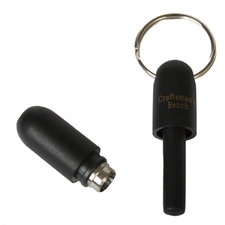
Craftsman's Bench Bullet Cutter and Key Chain