

 EN
EN
 JA
JA ZH
ZH





 All New Pipes



















Ask a question about this product.
Measurements & Other Details
- Length: 4.32 in./109.73 mm.
- Weight: 1.40 oz./39.69 g.
- Bowl Height: 1.67 in./42.42 mm.
- Chamber Depth: 1.37 in./34.80 mm.
- Chamber Diameter: 0.71 in./18.03 mm.
- Outside Diameter: 1.56 in./39.62 mm.
- Stem Material: Other
- Filter: None
- Shape: Brandy
- Finish: Smooth
- Material: Briar
- Country: Denmark
About This Pipe
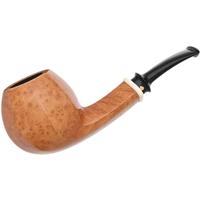
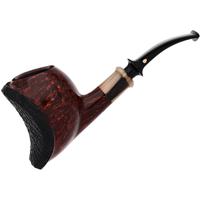
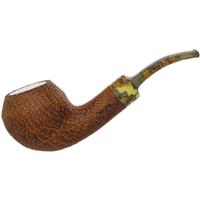
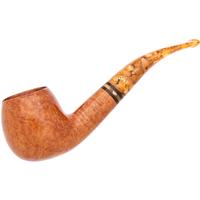
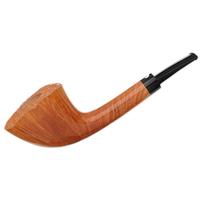
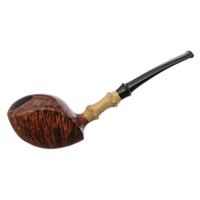
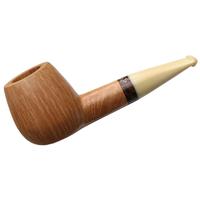
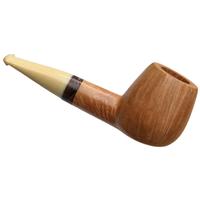
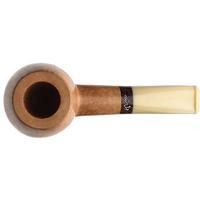
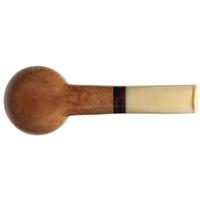
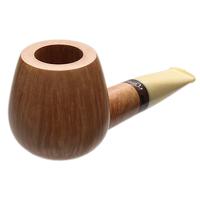
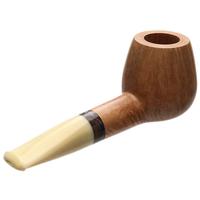
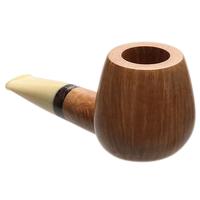
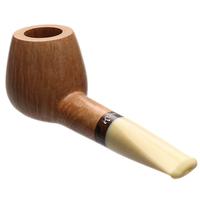
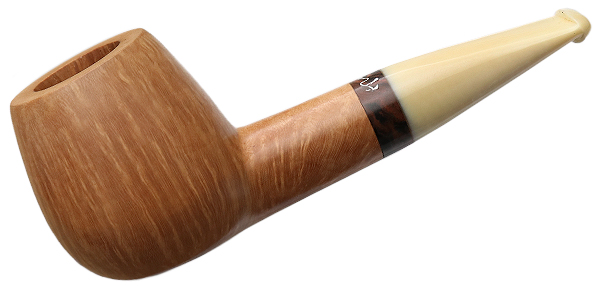
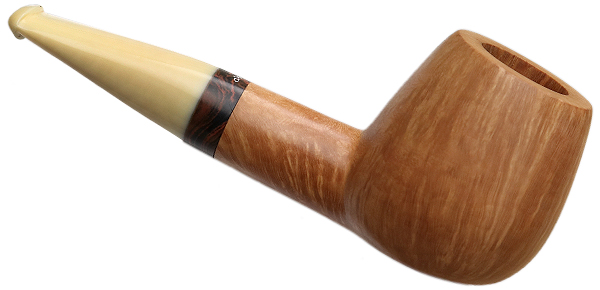
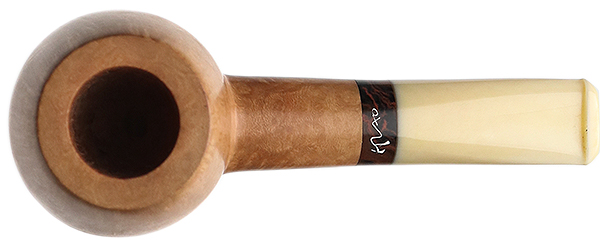
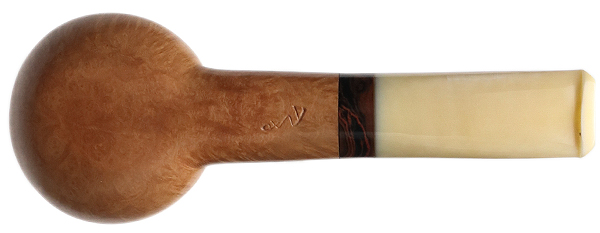
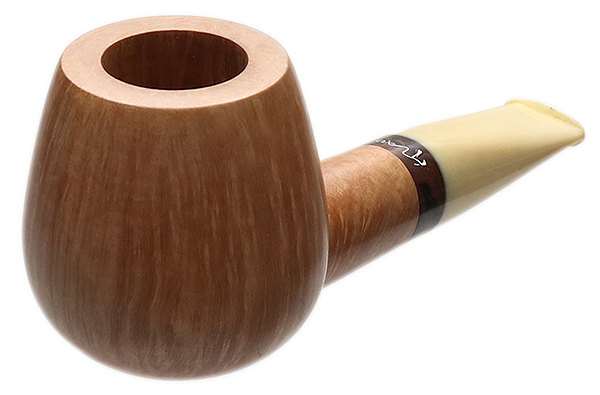
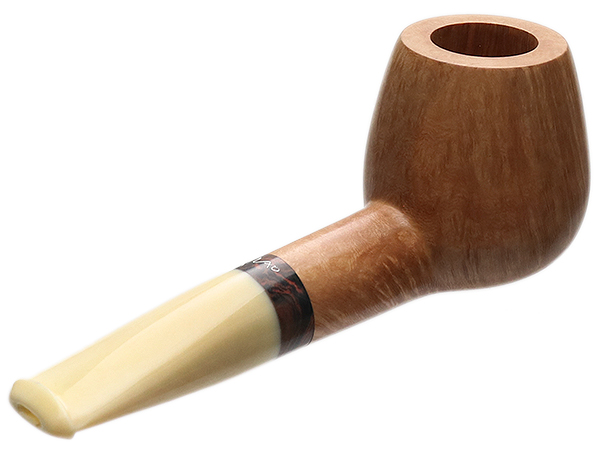
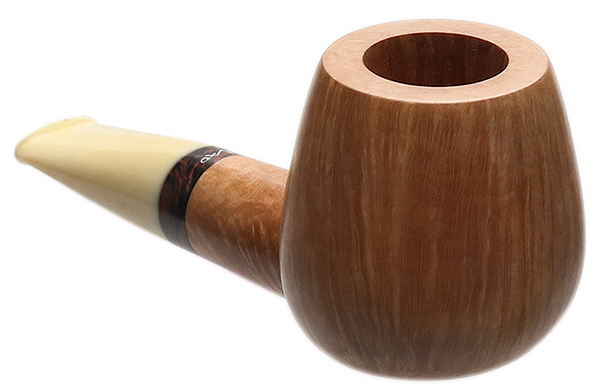
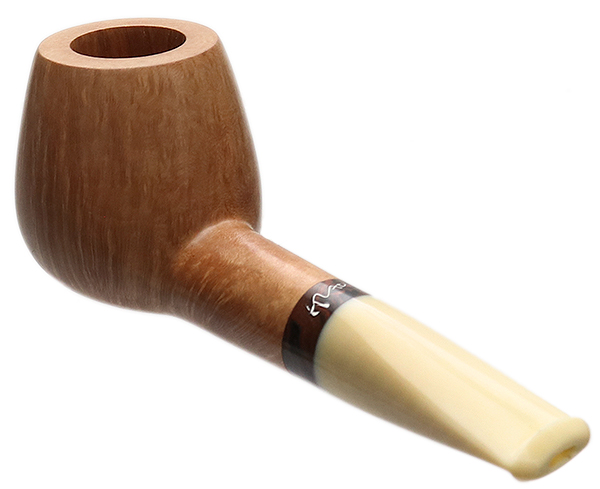
I wouldn't say this is one of Tao Nielsen's more muscular numbers. It's not exactly one of his more trim fare either. The carver has a keen eye for this balance, not to mention a deft ability for making it a reality. It's partially a result of his experience as a sailor, leading to a penchant for stout, sturdy takes on the classics, as he believes his pipes should be well-suited to holding up under especially demanding conditions. As for this full-bodied Brandy shape, it sports a gentle sense of plumpness about the bowl, with said girth emphasized by its juxtaposition with a comparatively more slender, rounded shank and stem.
As for the stem, and in the spirit of Tao's life at sea, the carver chose to fashion it from genuine antique whale tooth, acquired from the Faroe Islands, where pilot whales have been harvested as a means of sustenance for thousands of years. He paired it with a stem base of neat cumberland, visually unifying the composition and looking quite fetching adjacent gorgeously smooth, honey-blonde briar. A truly stunning pipe.
- Daniel Bumgardner*While the harvesting of whales is most often thought of in terms of the once widespread whaling industry, small-scale, localized whale hunts have been central to Faroese life since the North Atlantic islands were settled by the Norse, circa 800 A.D. With a climate and soil wholly unsuited to supporting life by farming crops, those who lived on the Faroe Islands learned to subsist upon pilot whale, sheep, seabirds, and fish. The rich meat and blubber of the pilot whale was (and still is) the most important, the annual catch to this day being divided communally then stored, prepared or preserved in Faroese households (in other words, you won't find it in a Faroe Islands supermarket, nor do they export any of it).