

 EN
EN
 JA
JA ZH
ZH





 All New Pipes


















Ask a question about this product.
Measurements & Other Details
- Length: 5.95 in./151.13 mm.
- Weight: 1.70 oz./48.19 g.
- Bowl Height: 1.93 in./49.02 mm.
- Chamber Depth: 1.47 in./37.34 mm.
- Chamber Diameter: 0.78 in./19.81 mm.
- Outside Diameter: 1.67 in./42.42 mm.
- Stem Material: Vulcanite
- Filter: None
- Shape: Blowfish
- Finish: Smooth
- Material: Briar
- Country: Denmark
About This Pipe
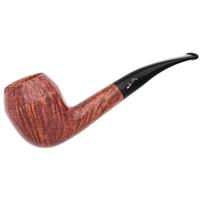
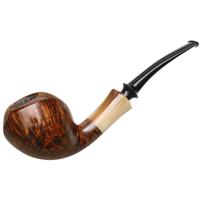
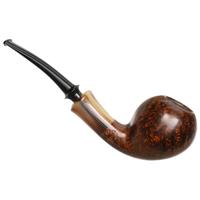
A man obsessed with fine pipes since the age of six, Tom Eltang has become one of the most respected artisan carvers in the world, his nearly five-decade-long career and commitment to both functional and aesthetic perfection earning him a stellar reputation in the pipe world. His breadth of experience includes apprenticing under Anne-Julie at only 16 years old, repairing pipes for Pipe-Dan, and working as a traveling carver for Stanwell, all the while carving pipes of his own. His work comprises a variety of shapes, all in his Danish Functionalist-inspired style, with this Blowfish serving as an excellent example of his unique approach to design.
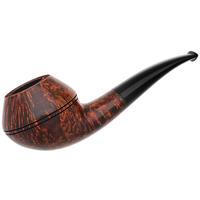
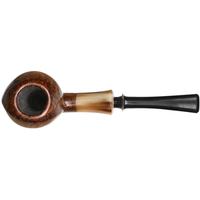
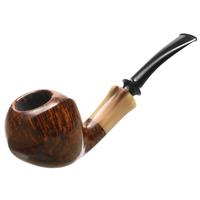
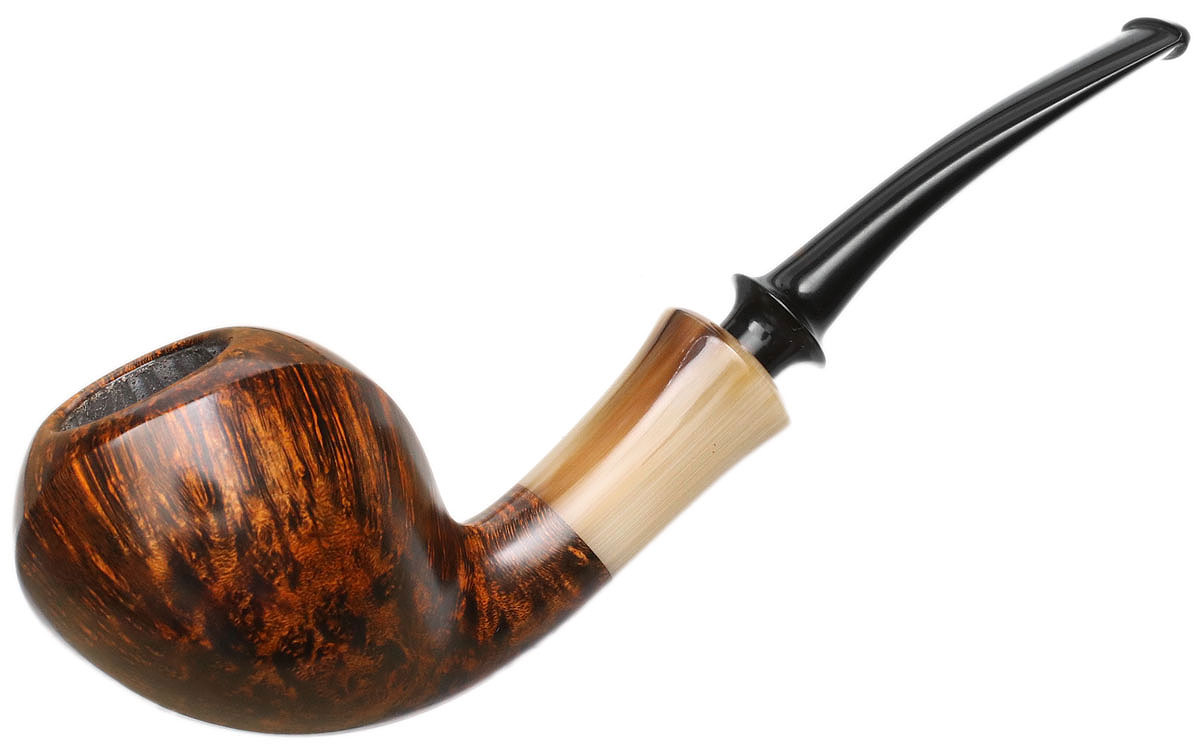
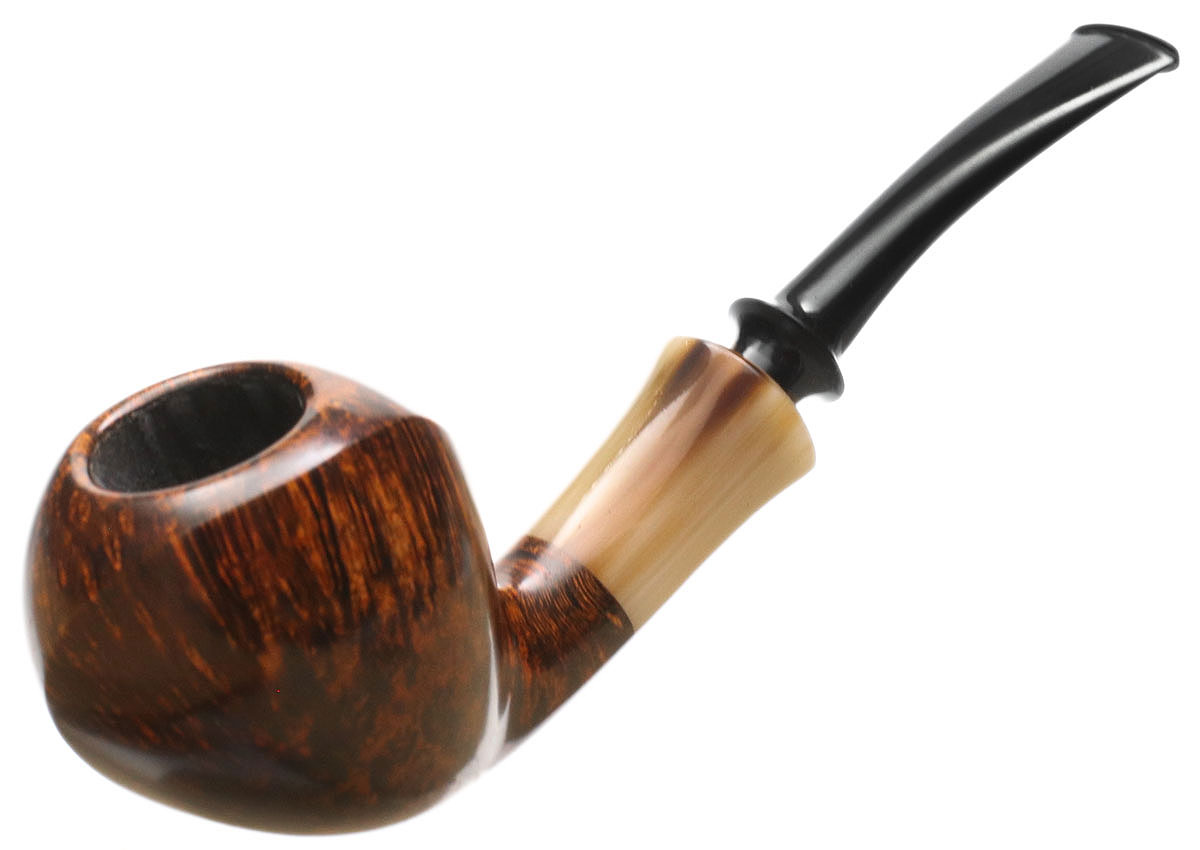
The Blowfish is a shape that's been evolving ever since its inception, but the basic requirements for the shape have remained fairly consistent: The bowl is separated into two asymmetrical portions through the use of one or more ridgelines. Asymmetry is a key component of the shape's success, as this shape was made to display the full potential of a block of briar in cross grain orientation, with both flanks of the bowl meant to display birdseye. Eltang has modified the style of asymmetry in this rendition, eschewing the multiple ridges that populate many iterations of the shape in favor of a single, sinuous line that uses the shape of the bowl around it to split the flanks into distinct sides — in line with early Danish renditions of the shape.
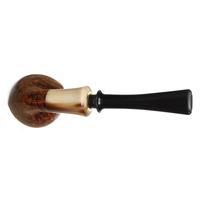
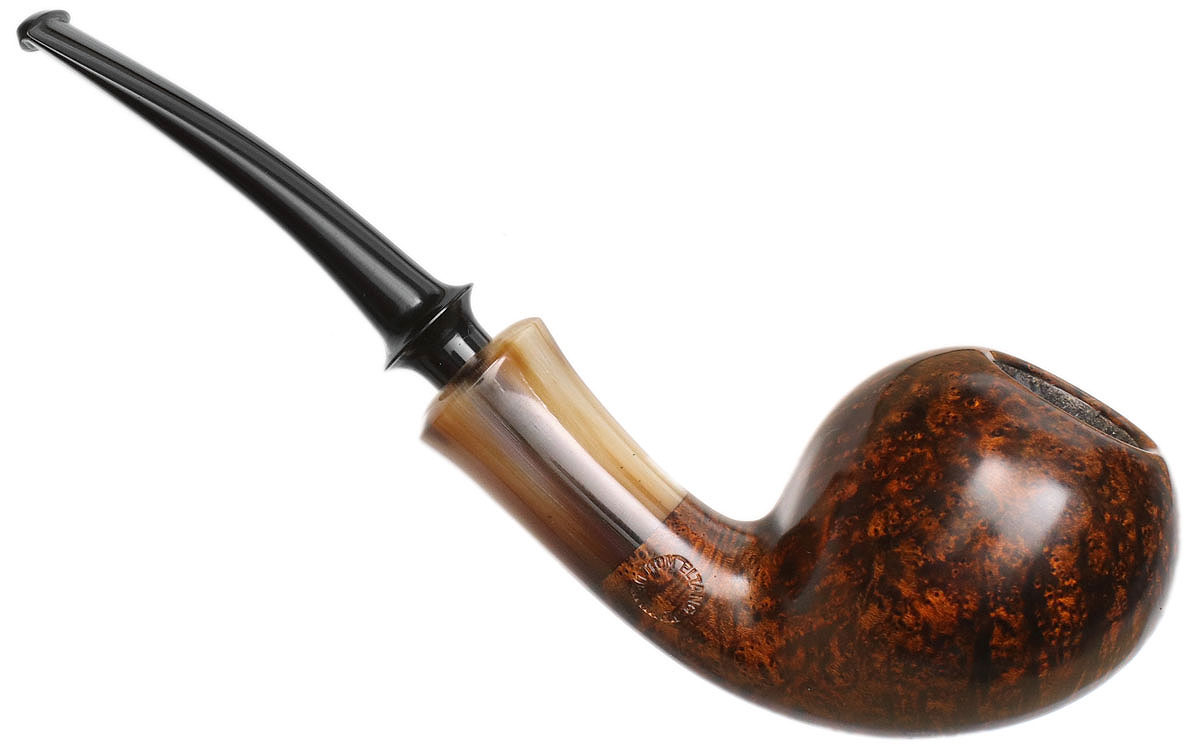
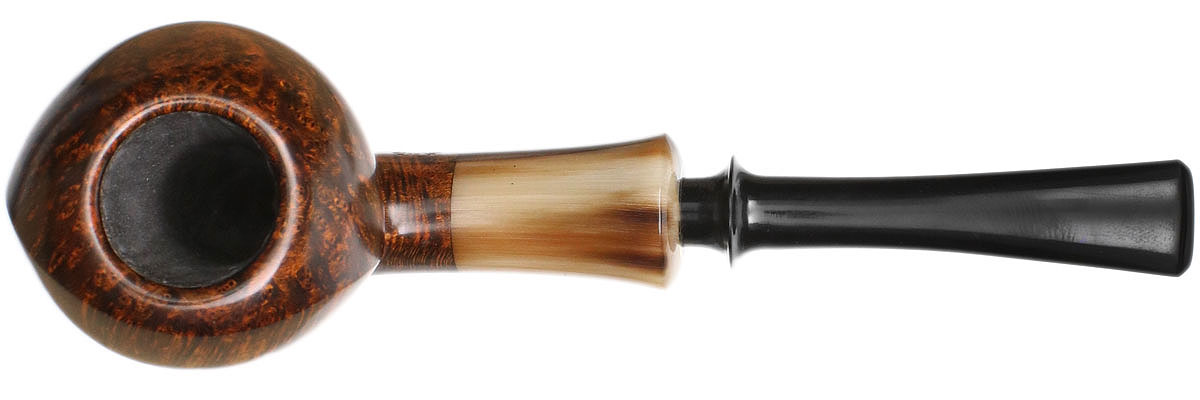
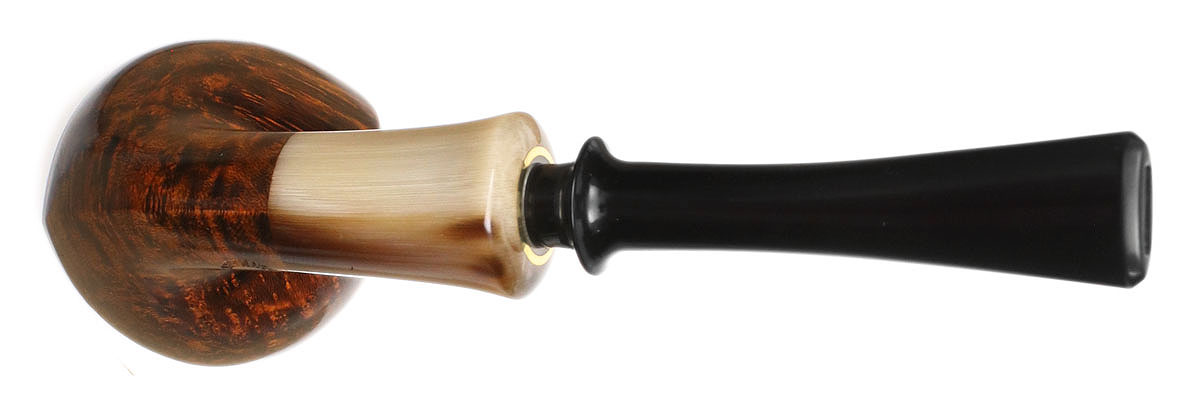
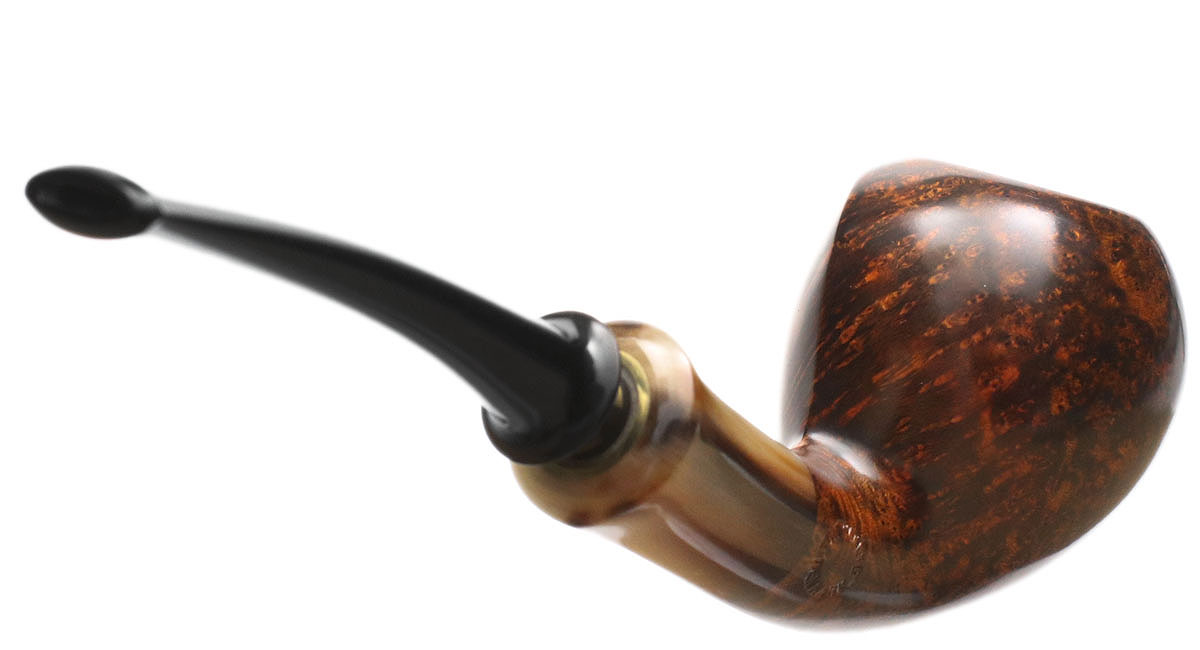
The ridge starts at an extension of horn which is fitted to a rather trim shank, the accent's flare out to a firm dome punctuated by an understated peak at the bottom, acting as the point of a stylized teardrop while keeping the shank mostly round. The ridge then plunges through the underside, reaching the transitional area before curving slightly to the right and meandering back to the left where it encircles the left flank of the bowl entirely, terminating at the transition. This left flank is the smaller of the two and has received a touch less curvature than the right, because the firm line of the ridge pushes out the briar present at the right just enough to nearly envelop the left. This is quite the subtle bit of shaping through the shank and underside, making it stunning that such an understated feature can cause such a dramatic impact at the bowl, speaking to Eltang's immense talent. Dressing the briar is one of the artisan's lovely contrast stains, defining ample birdseye at the right, cross grain through the middle, and a striking sunburst pattern on the left flank.
-John McElhenySimilar Pipes