

 EN
EN
 JA
JA ZH
ZH





 All New Pipes

















Ask a question about this product.
Measurements & Other Details
- Length: 7.48 in./189.99 mm.
- Weight: 3.44 oz./97.52 g.
- Bowl Height: 2.41 in./61.21 mm.
- Chamber Depth: 1.83 in./46.48 mm.
- Chamber Diameter: 0.81 in./20.57 mm.
- Outside Diameter: 2.20 in./55.88 mm.
- Stem Material: Vulcanite
- Filter: None
- Shape: Freehand
- Finish: Sandblast
- Material: Briar
- Country: United States
About This Pipe
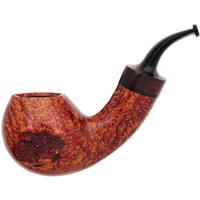
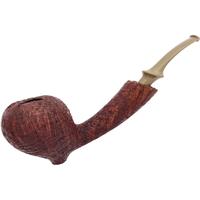
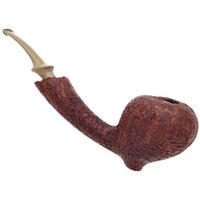
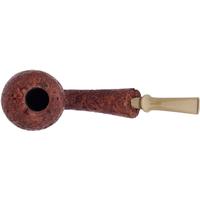
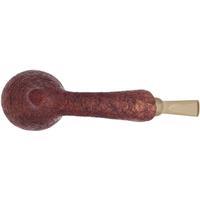
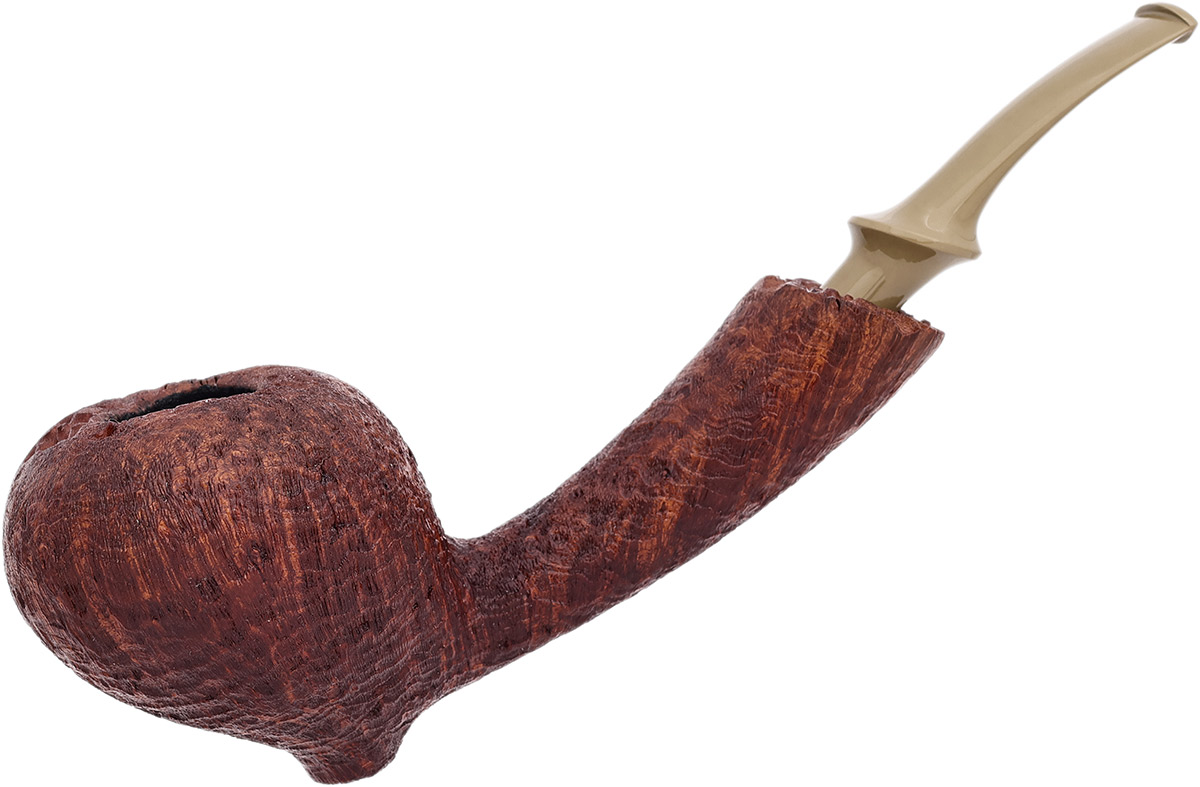
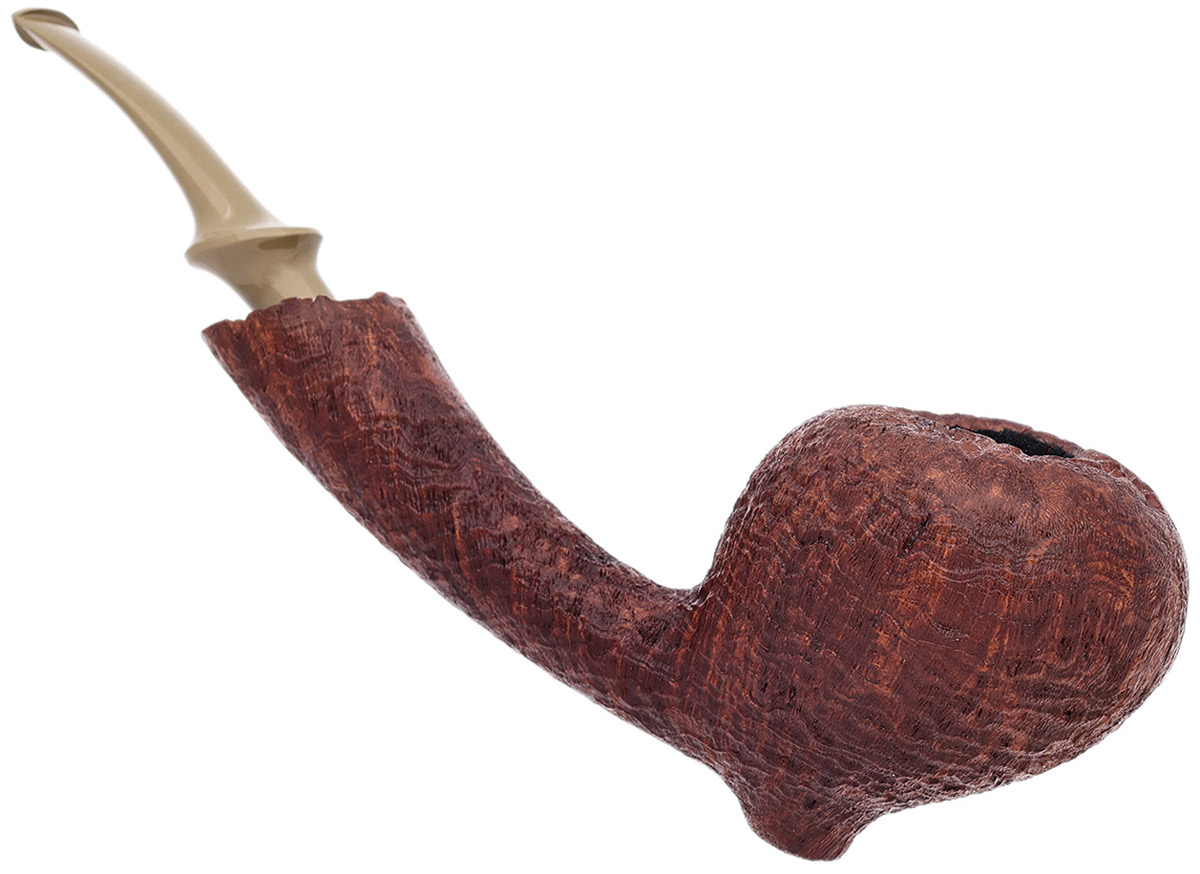
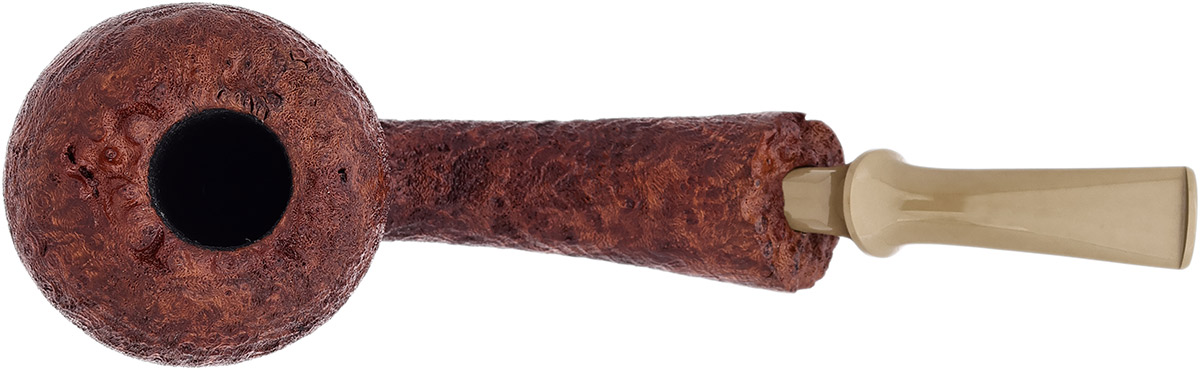
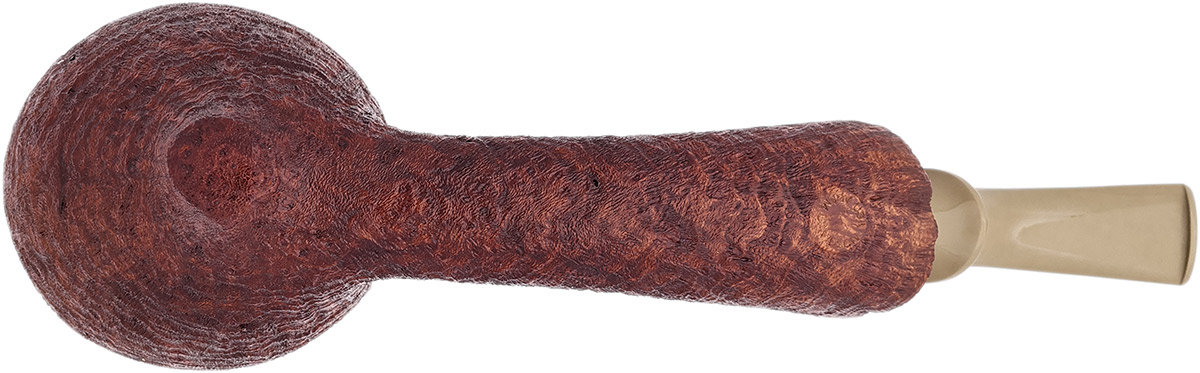
The Fig is arguably Adam Davidson's most iconic signature shape, and one that's persisted in a perpetual state of desirability for well over a decade now. This rendition in particular is a textbook example of the shape, with all the subtle asymmetry and gentle curvature that's made the silhouette an icon, however, and simply put, it is much much larger than normal. At nearly seven and a half inches long and over a fifth of a pound in weight, this is by far the biggest Fig Davidson has ever presented us with, and by both of the aforementioned metrics. All that said, for as long as this pipe is, and as broad as its bowl is, the overall weight of the composition is rather reserved given how weighty pipes of a comparable size can often be. The visual center of this piece is the partially flattened foot, here situated toward the left side of the bowl, which creates an organic point that the bowl can bloom out of. This is true in both the compositional and the literal sense, aiding in the silhouette's naturalistic reminiscence to its namesake fruit: specifically while still attached to the branch. Said bowl grows thick, plumply curvaceous walls that bulge out with exceptional softness at the fore, and it's at the fore where this shape's asymmetry is best showcased as well. From the left side, the curve from the bottom leading from the foot to the waist is easy, almost bare until reaching the waistline itself, whereas the right side's is more pronounced and belly-like. The placement of the foot looks to be a prominent factor in this asymmetry, as it's oriented further toward the left side of the bowl, granting that area more local substance. At the aft side of the bowl, the curves are less conspicuous, but create a wonderfully contoured surface for the hand, while also being shaped in precise fashion to form an unbroken implied line through the transition when viewed from either side. A broad rim reveals the very understated rightward slant of the bowl, in addition to a slight ovoid shaping that further heightens its asymmetrical properties and provides ample detail to appreciate while smoking.
The transition itself is wide enough to drape a digit if so desired, its slightly acute build granting the shank a flowing kind of lift as it grows out from the bowl. This shank takes on a gradual flare as it reaches out, curving gingerly until terminating in a face bespeckled with plateau, with the left side of the shank displaying a more distinctly stylized curve; this results in a full distribution of asymmetry across the stummel, with end contributing a unique aspect. Paired to the shank is a sleek and gently arced saddle stem of sandy vulcanite, complete with an expansion ring to highlight negative space at the junction, that affords this pipe a graceful posture and matches quite nicely with the light sandblast dressing the briar. Such a finish reveals dense stacks of ring grain cascading down the wide walls of the bowl and lining the flanks of the shank, the abundance of briar providing plenty of space to exhibit both growth rings and streaks of visible flame throughout.
-John McElhenySimilar Pipes
Recently Viewed

Wolfgang Becker
FRESH!
Partially Sandblasted Wasp with Boxwood (Double Wolf Paw)