

 EN
EN
 JA
JA ZH
ZH





 All New Pipes















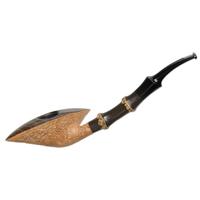
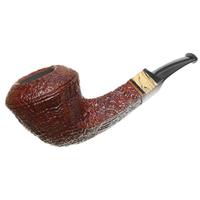
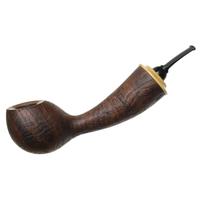
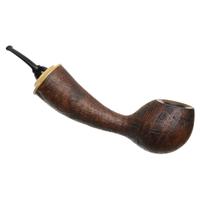
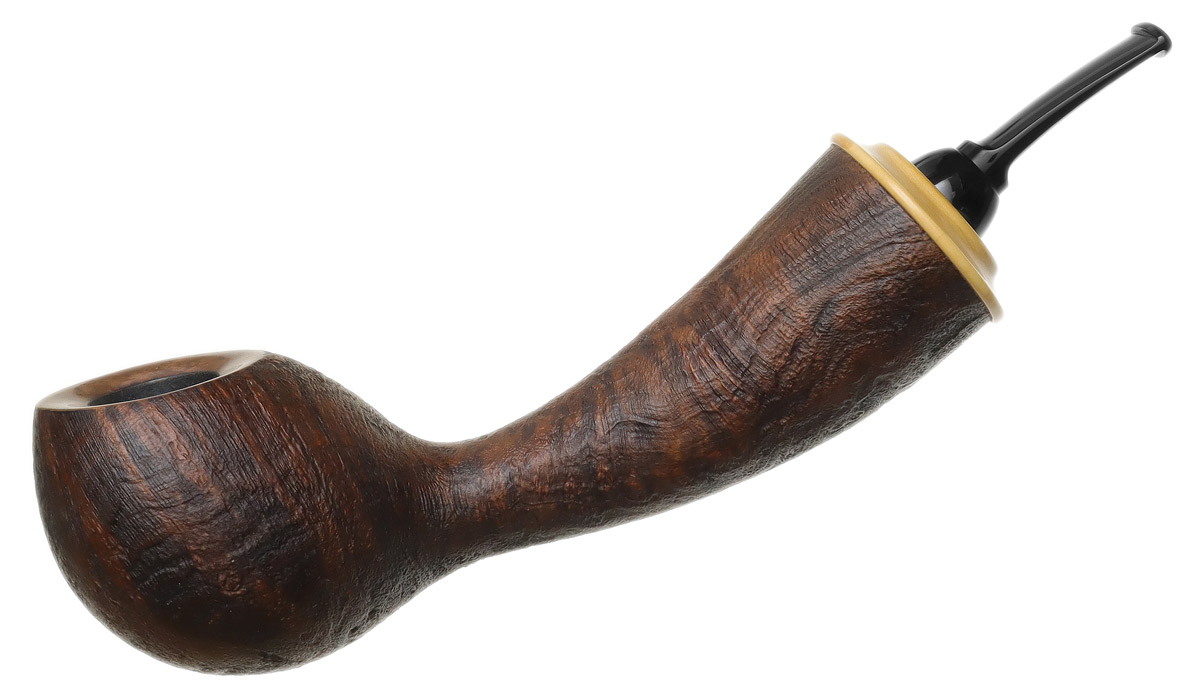
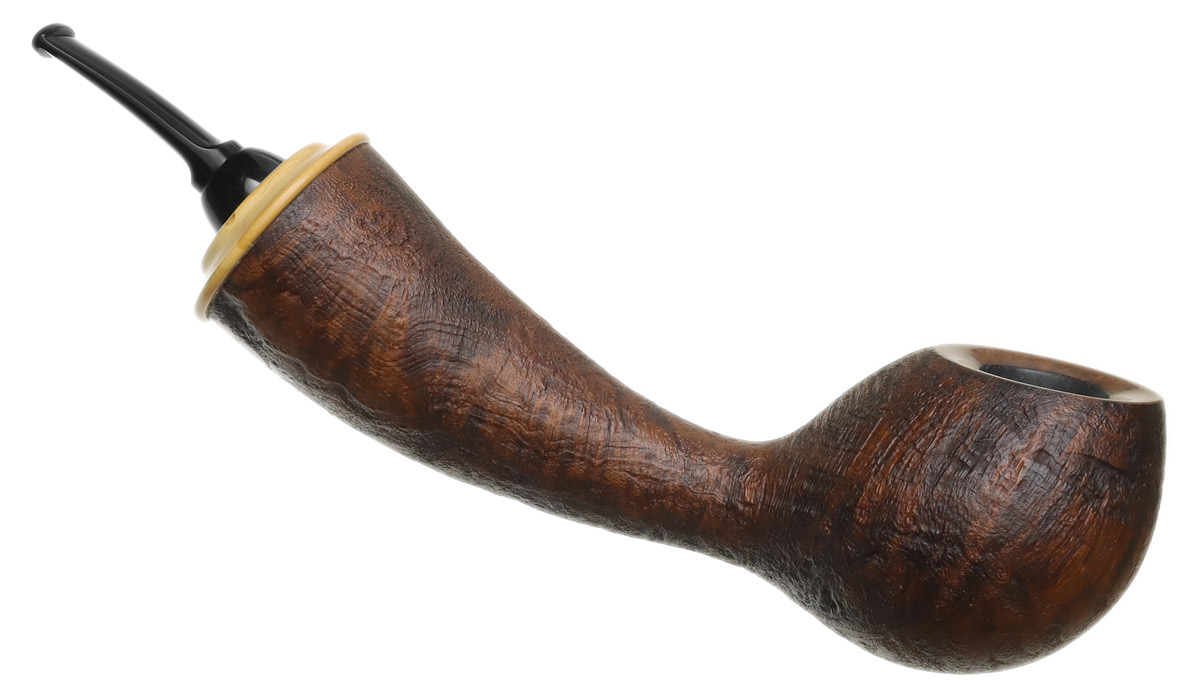
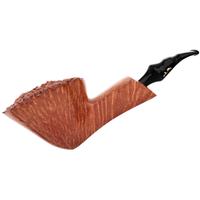
Sandblasted Wasp with Boxwood (Double Wolf Paw) Tobacco Pipe
Product Number: 002-554-0054

Ask a question about this product.
Measurements & Other Details
- Length: 7.72 in./196.09 mm.
- Weight: 4.22 oz./119.75 g.
- Bowl Height: 2.00 in./50.80 mm.
- Chamber Depth: 1.60 in./40.64 mm.
- Chamber Diameter: 0.80 in./20.32 mm.
- Outside Diameter: 2.09 in./53.09 mm.
- Stem Material: Vulcanite
- Filter: None
- Shape: Freehand
- Finish: Sandblast
- Material: Briar
- Country: Germany
About This Pipe
Wolfgang Becker has been crafting pipes since the 1980s, urged along his journey by an appreciation for the Danish greats. Becker learned more and more with each piece he crafted, his early years spent entirely as an autodidact, resulting in a personal style that is the fusion of Danish design's refined sensibilities, and Becker's own unique eye for shaping. Out of all of the pipes that Becker crafts, one stands out among them all as his ultimate signature, a shape that garners desire and longing from all corners of the pipe world: the Wasp. Originally conceived sometime between 1988 and 1989, the Wasp is a shape that Wolfgang has crafted many times, and that, in our archives, actually makes up the bulk of his portfolio, reaching such heights that he has even crafted an eight pipe set composed entirely of the shape. Each individual example is unique in its own way, and this specific iteration showcases that through its incredible finishing work.
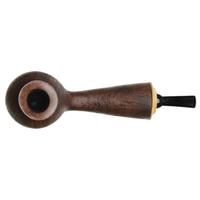
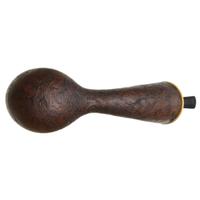
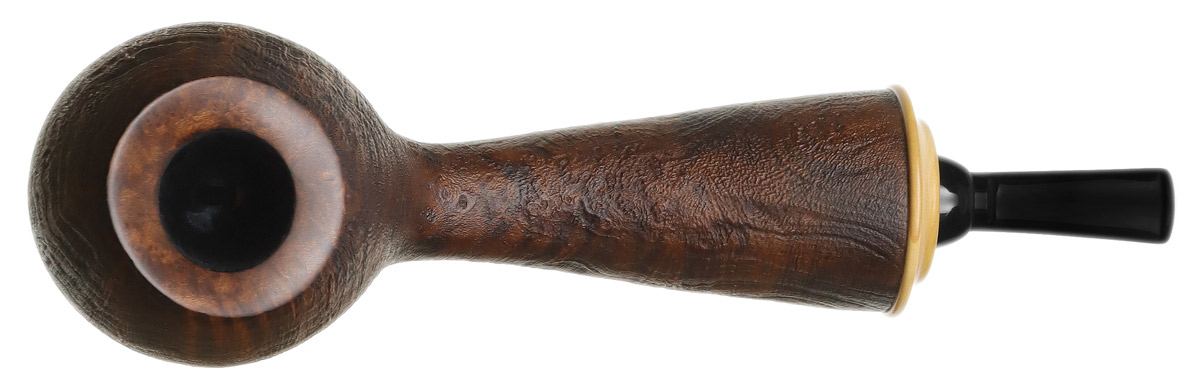
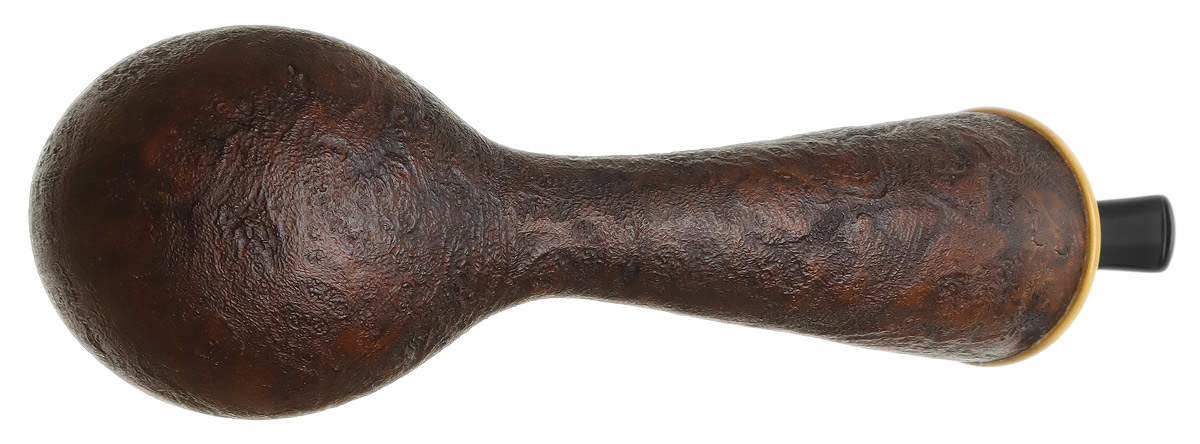
The Wasp itself is defined by a few key features that are, of course, present here: a plump bowl, a pinched transition, and a flaring shank, the latter two reminiscent of the eponymous insect's own pinched waist and large abdomen, with the stem acting as a stinger of sorts. Asymmetry in the bowl, however, is key, and this iteration embodies that in a very subtle way, with the right flank possessed of a more pronounced upward taper that revels itself when examining the pipe in the hand. In concert with this, the left flank features a more consistent, gradual arc to the rim that magnifies the presence of the asymmetry slightly while ensuring that it remains an understated aspect of the composition. Not only is this effect pleasing to the eye, but it lends this pipe a distinct feel in hand depending on the hand holding it, though a feel that's universally comfortable. The pinched transition gives the thumb a fantastic place to rest, as it widens the angle present there by a good bit, as well as creating an understated touch of negative space: pulling the eye's attention toward the transition itself and allowing for full appreciation of the painstakingly crafted form. A broad boxwood accent adorns the flared shank end here, and contrasts the color palette of the stummel and stem excellently, given its pale hues.
The stummel here is dressed in a crisp, earthy sandblast that showcases plenty of handsome grain and boasts a rich texture for the hands to appreciate. The sandblast itself is extremely soft, a shallow treatment that offers a refined yet rugged feel while still revealing the rippling bands of growth rings for which sandblasts are most valued. In addition, the shallowness of the sandblast displays streaks of well-defined flame grain flickering up around the circumference of the bowl and through the flanks of the shank, all while a smooth finish on the rim lends this pipe further contrast and showcases a basin of birdseye.
-John McElhenySimilar Pipes
English Estates
Dunhill Imperial Dragon Cumberland Billiard with Silver (410
Recently Viewed