

 EN
EN
 JA
JA ZH
ZH





 All New Pipes
















Ask a question about this product.
Measurements & Other Details
- Length: 6.13 in./155.70 mm.
- Weight: 4.10 oz./116.23 g.
- Bowl Height: 1.91 in./48.51 mm.
- Chamber Depth: 1.58 in./40.13 mm.
- Chamber Diameter: 0.82 in./20.83 mm.
- Outside Diameter: 2.23 in./56.64 mm.
- Stem Material: Vulcanite
- Filter: None
- Shape: Freehand
- Finish: Smooth
- Material: Briar
- Country: United States
About This Pipe
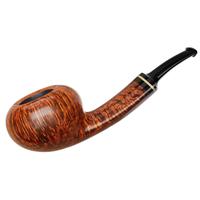
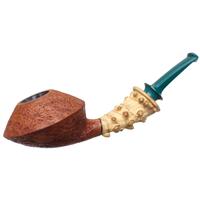
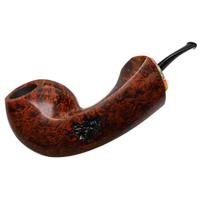
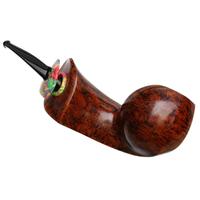
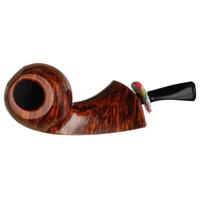
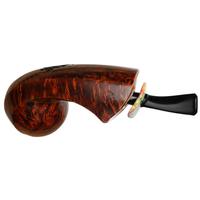
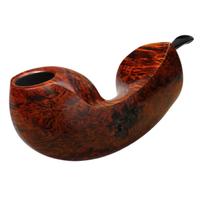
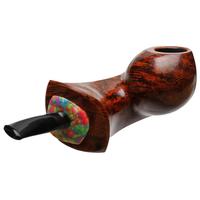
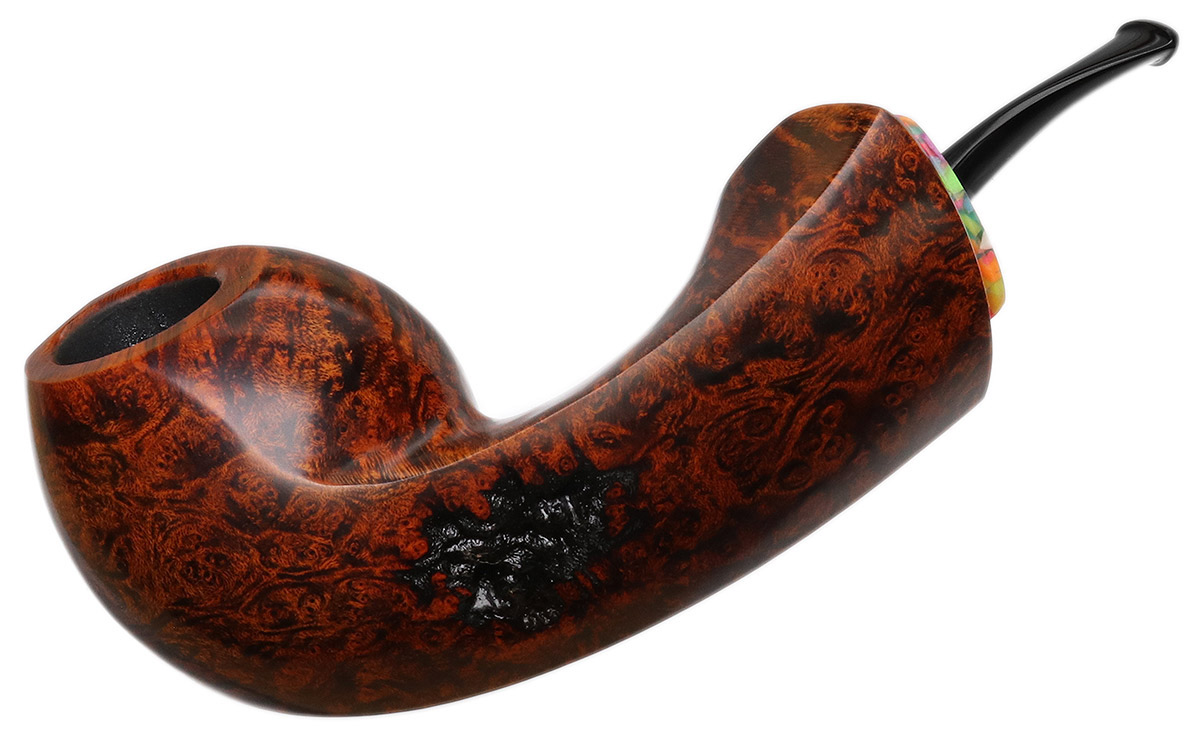
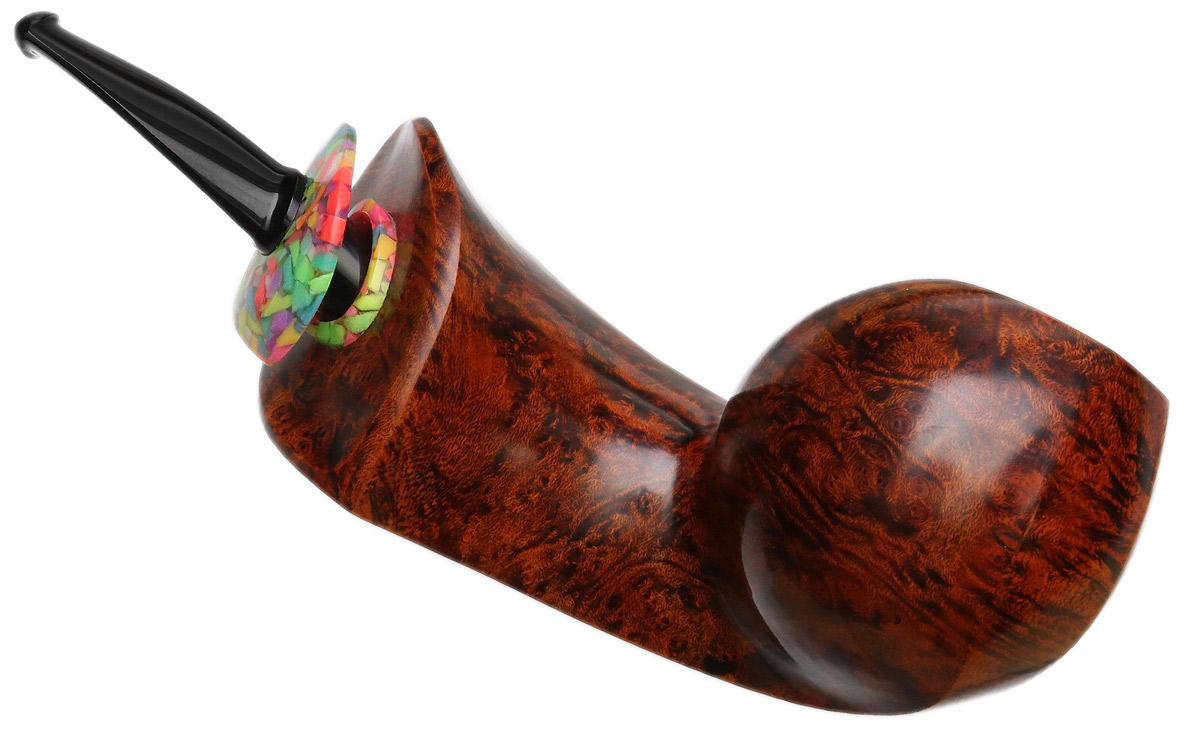
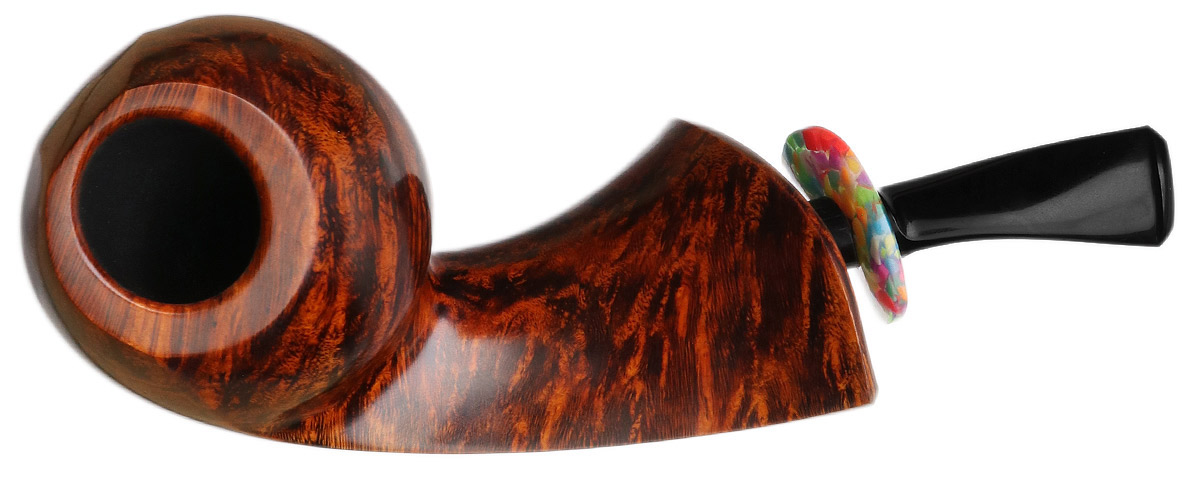
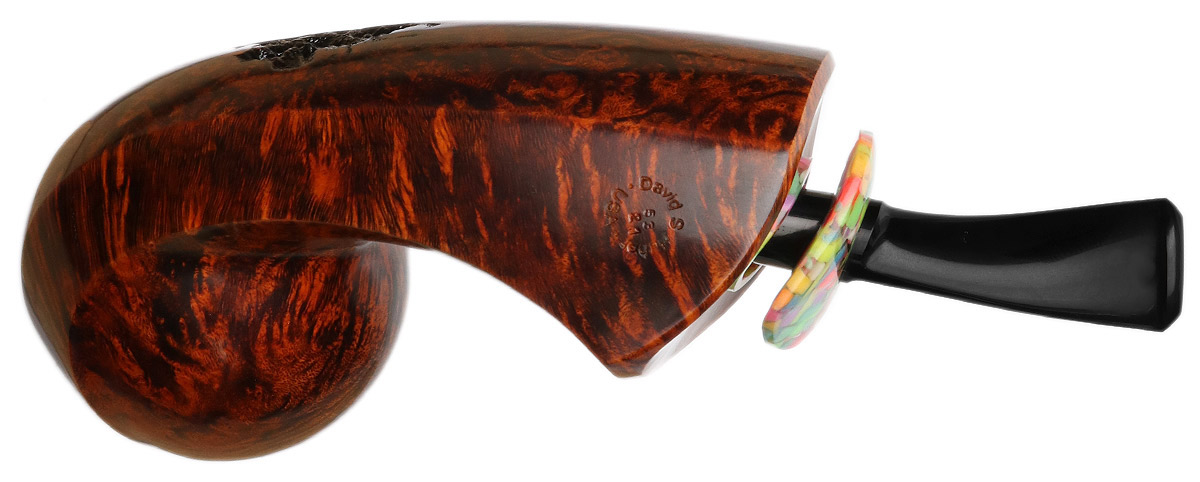
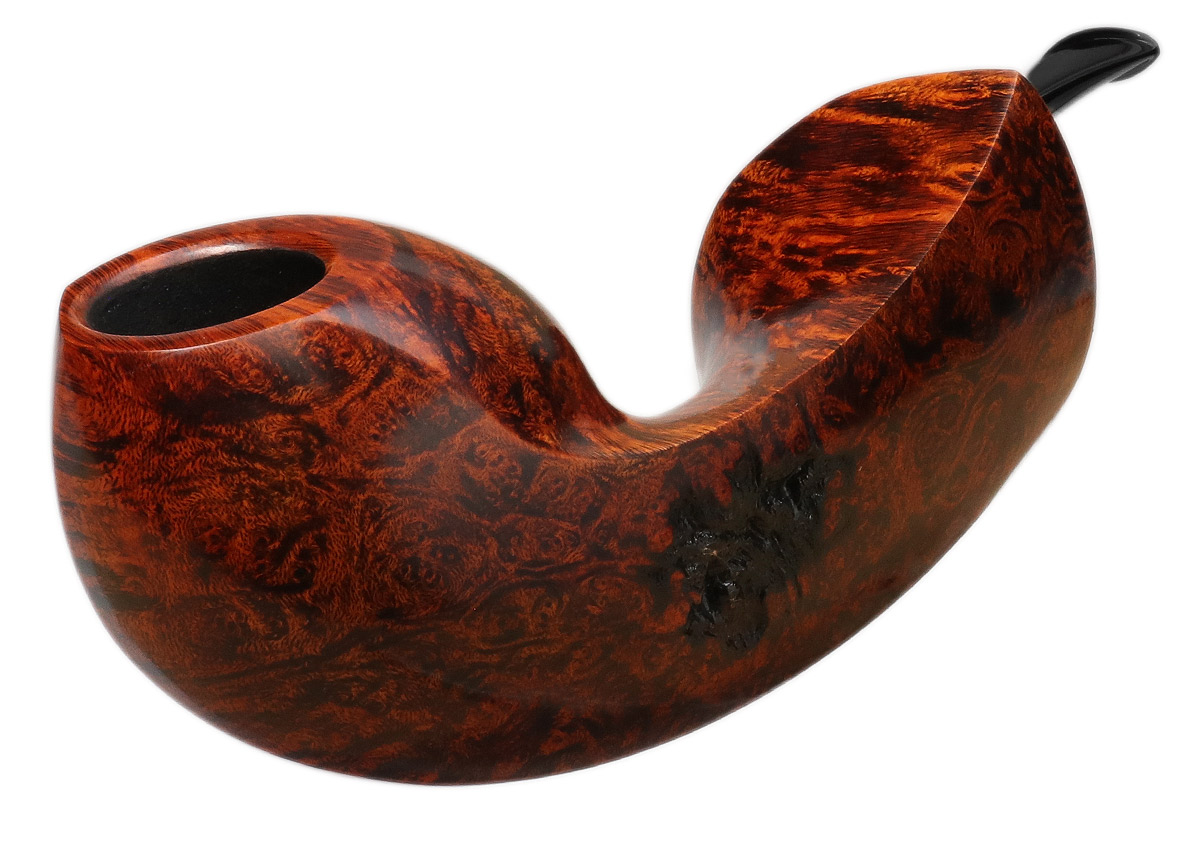
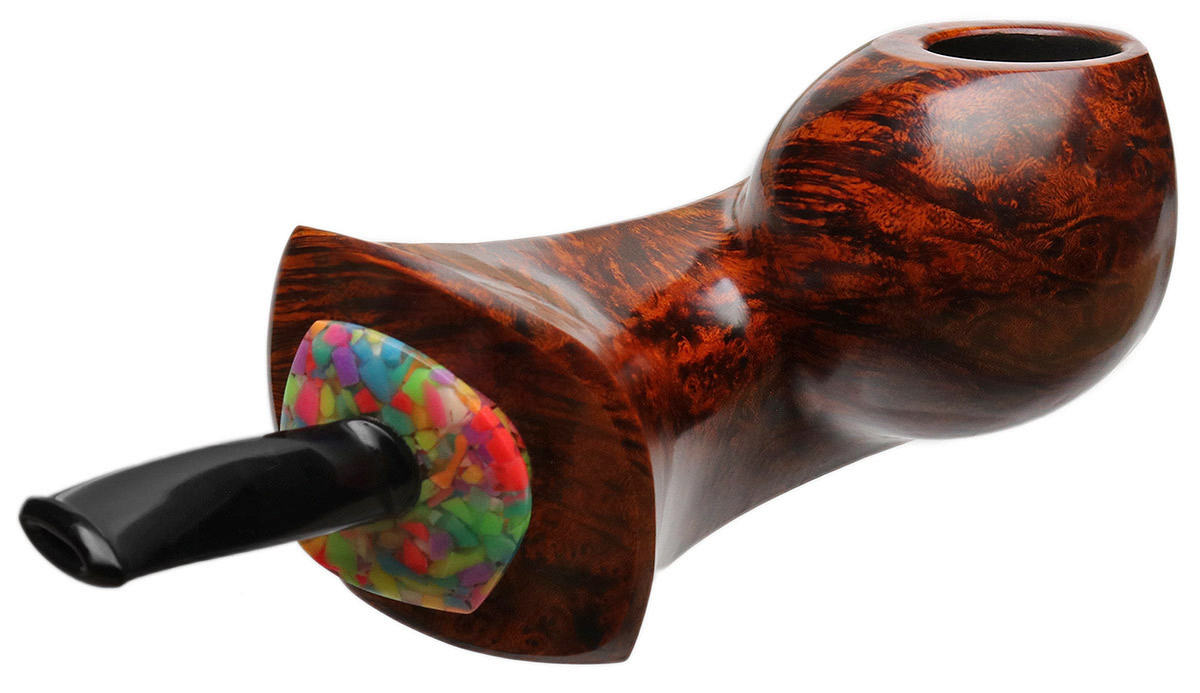
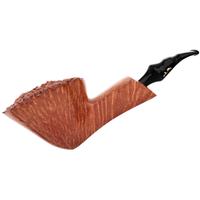
David Huber's emergence into the pipe world was met with widespread acclaim, the burgeoning artisan winning first place in the 2013 Kansas City pipe-carving contest, just one year after he began to shape briar, and has won best in show awards from both the Kansas City Pipe Show and the West Coast Pipe Show, in 2015 and 2019, respectively. His swift accumulation of skill is both incredible and expected, as he has studied under masters of the craft such as Tom Eltang, Jeff Gracik, Nanna Ivarsson, and Hans "Former" Nielsen, and has incorporated elements of their own styles, and of those from around the world, into his own unique vision, curating a design outlook that is utterly singular. This piece displays that singular outlook incredibly well, being a fusion of two of his signature shapes: the Flounder and the Glowfish. The Flounder is a shape defined by its tall, semi-flattened shank, upward-urging bowl, and, at least in more recent iterations, degree of curvature to its central line. The Glowfish is something we saw premiere in his entry into the 2021 American Pipe Making Exposition, presenting as a Japanese-style Fugu Blowfish, though adorned with a fitment of a proprietary glow-in-the-dark, confetti-like resin material that acts as a military mount bolster in the shank end, as well as an adornment for the stem base.
This piece embodies both shapes very well, with the stem base and shank end similarly fitted with its technicolor confetti resin, though the stem's fitment has been shaped in an exacting manner so as to mirror the shank face's outline. Not only this, but the stem itself has been constructed in such a way that we see it start to ebb out of this ornamentation at an angle, though it twists as it travels, straightening out through the bit, and coming to the button perfectly in line with the level of the rim. There is an incredible amount of momentum embodied by this piece, with the expansive shank end curving on the right flank and feeding, in an arc, to the transition, which is, too, mostly on the right flank, as it is sideways, courtesy of the Flounder shape's influence. From the flared face we also see the shank taper a touch into this transition, though mainly in width, with a pair of ridgelines on the underside feeding into the bowl, twisting and turning as they travel parallel to each other and reach the rim. All of this implied movement makes me look at this piece and see a swimming fish, likely exactly what Huber was attempting to emulate, and this is further magnified by the stem's slight turn to the left, as if it were a tail fin swinging opposite the direction of the main body, accelerating it and steering its course. A ridgeline, too, runs through the top of the pipe, from the zenith of the shank face, down the peak of the shank, and softly merging with the bowl, working in concert with the shank shape to create an implied line with the negative space of the transition that makes the eye see a second ridgeline. Speaking of the transition, it's a fantastic place to grasp this piece, with it allowing you to rest much of the meat of your thumb, while the top ridge guides the res of it to just behind the bowl. A warm contrast stain dresses the briar here, and there is a lot of it here, and reveals fantastic birdseye patterns on either flank of the stummel, with the wide shank providing a phenomenal canvas for the swirling grain
-John McElhenySimilar Pipes
Italian Estates
FRESH!
Castello Old Antiquari Great Line Bent Dublin (C) (Unsmoked)
Recently Viewed